
A carer’s personal and professional identity — who they are, how they communicate, what they value, and how they respond under pressure — directly shapes the safety, dignity, and daily quality of life of the person they support. This is why caregiver identity matters from the very first conversation you have with an agency. Before you commit to any arrangement, take three immediate steps: check the agency’s Care Quality Commission (CQC) registration and most recent inspection rating, ask for evidence of DBS checks and relevant training certificates, and arrange a short trial or meet-and-greet before the first full visit.
Pro Tip: Contact Age UK’s free advice line (0800 678 1602) before you begin your search — their advisers can help you frame the right questions for agencies and clarify what local funding may be available.
Quick actions to take now:
- Search the CQC website for the agency’s current rating and read the full inspection report.
- Request copies of the carer’s DBS certificate and any dementia or specialist training evidence.
- Note any non-negotiable language, cultural, or faith preferences before your first agency call.
- Ask for a meet-and-greet or short trial visit before the care arrangement begins.
- Read choosing home care services for elderly loved ones for a broader overview of service types.
Key takeaways
A carer’s personal and professional identity — their values, training, language, and approach — directly determines the safety, dignity, and daily wellbeing of the person they support.
| Point | Details |
|---|---|
| Check CQC registration first | Search the CQC website for the agency’s current rating and read the full inspection report before any other step. |
| Verify DBS and training evidence | Request an enhanced DBS certificate and proof of dementia or specialist training before the first visit. |
| Prioritise continuity for dementia | A small, consistent team reduces distress and disorientation for people with dementia. |
| Use a staged assessment | Paperwork, interview, trial visit, and review reduces risk and improves long-term match. |
| Caremanagers matches on identity | Caremanagers shortlists carers for fit, arranges trial visits, and supports families across South Wales and England. |
Table of Contents
- 1. How a carer’s identity changes day-to-day life
- 2. Which parts of a carer’s identity to consider
- 3. What matters most when dementia is involved
- 4. Practical steps to assess fit before you hire
- 5. How to manage the relationship once care starts
- 6. How funding and logistics shape your options
- 7. Red flags and when to act
- 8. A quick guide to prioritising identity factors
- 9. A care manager’s perspective on matching
- Caremanagers can help you find the right fit
- Sources
- FAQ
1. How a carer’s identity changes day-to-day life
The impact of caregiver identity shows up in small, daily moments: a rushed dressing routine that ends in a fall, a misunderstood request that triggers distress, or a calm, familiar voice that settles an anxious afternoon. These are not random events. They follow predictably from who the carer is.

Language match is one of the clearest examples. When a carer and the person they support share a first language or dialect, communication is faster and less effortful for both. For someone with dementia, that reduction in cognitive load can meaningfully reduce agitation. A carer with previous dementia experience also responds differently to distress — they recognise escalation patterns earlier and de-escalate without confrontation, rather than inadvertently making the situation worse.
Temperament matters just as much as training. A naturally patient, unhurried carer tends to allow the person they support to move at their own pace, which reduces falls during personal care and preserves a sense of control. Choosing the right home carer significantly affects comfort, dignity and peace of mind — and warmth, reliability, and good communication sit alongside formal qualifications as things worth verifying.
A carer who shares your loved one’s values and working rhythm is not a luxury. For someone who cannot easily adapt to new people, that familiarity is a genuine safety factor.
Pro Tip: Before the first visit, write a one-page “about me” document for the cared-for person — favourite topics, daily routines, things that cause distress. Share it with the carer in advance so the first meeting feels familiar rather than clinical.
2. Which parts of a carer’s identity to consider
Not every identity dimension carries equal weight in every situation. The right starting point is the cared-for person’s primary needs.
Key identity dimensions to consider:
- Training and certificates: formal qualifications in dementia care, medication management, or moving and handling
- Lived experience: years spent in similar care roles, specific conditions worked with, and familiarity with behavioural responses
- Language and communication style: spoken language, dialect, literacy level, and non-verbal communication habits
- Cultural and faith alignment: dietary practices, religious observance, modesty requirements, and shared cultural reference points
- Temperament and values: patience, warmth, reliability, and how the carer responds to frustration or uncertainty
- Caregiving approach: person-centred vs task-focused, flexible vs routine-driven
How to prioritise by scenario:
- Physical care (mobility, personal hygiene): moving and handling training and a calm, unhurried approach move to the top of the list.
- Complex dementia: specialist dementia training, continuity, and a patient temperament outweigh almost everything else. See types of dementia home care support for a breakdown of intensity levels.
- Companionship: shared interests, language, and cultural background matter more than clinical credentials. Read what is companionship care for elderly people for a fuller picture.
- Live-in care: personality fit and shared household values become critical because the relationship is constant.
Pro Tip: Rank your top three identity priorities before speaking to any agency. It stops you being swayed by a polished brochure and keeps the conversation focused on what actually matters for your family member.
3. What matters most when dementia is involved
For people with dementia, specialist skills and continuity matter more than generic experience. Short, rotating visits from unfamiliar carers can be distressing and disorienting. A small, consistent team who know the person’s routines, triggers, and preferences provides a form of safety that no certificate alone can replicate.
When speaking to agencies, ask these questions directly:
- What dementia-specific training have your carers completed, and how recently?
- How do carers respond when someone becomes distressed or refuses care?
- How many different carers would visit each week?
- What is your minimum visit length, and can it be extended at short notice?
- How do you handle rapid changes in condition or behaviour?
An agency’s willingness to answer these questions clearly during your first call is itself a signal of quality. Patience, empathy and relevant experience are core traits to prioritise — and involving the person with dementia in the selection process, where possible, supports both dignity and long-term fit. For more on keeping someone with dementia safely at home, see can dementia patients stay home.
Pro Tip: Ask the agency to describe a real situation where a carer managed a distressed client. A specific, considered answer tells you far more than a list of training modules.
4. Practical steps to assess fit before you hire
A staged assessment — paperwork first, then interview, then a trial visit, then a review — reduces risk and improves match. Skipping stages to save time almost always costs more later.
Stage 1: Paperwork
- Valid DBS certificate (check the date and level — enhanced DBS for home care)
- Proof of dementia or specialist training where relevant
- Two references from previous care roles, ideally with contact details
- Proof of right to work in the UK
- Agency insurance and CQC registration confirmation
Stage 2: Interview
Scenario-based questions reveal values and approach far better than a CV. Try:
- “Tell me about a time a client refused care. What did you do?”
- “How do you adapt your routine if someone is having a difficult day?”
- “What does a good day look like for someone you support?”
Stage 3: Trial visit
Observe how the carer greets the person, whether they speak to them directly or to you, how they handle a small setback, and how the person responds after the visit. A short trial is low-cost and highly informative.
Stage 4: Review
After two weeks, ask the cared-for person (and any other regular visitors) how the visits feel. Adjust the care plan based on what you learn.
Pro Tip: Interview questions that probe values and real reactions to scenarios reveal identity better than a checklist. Prepare three scenario questions before every carer interview.
5. How to manage the relationship once care starts
Active relationship management maintains fit and reduces avoidable changeover. The care plan is your primary tool.
A written care plan should cover:
- Daily routine (wake time, meals, medication, personal care, activities)
- Known preferences and dislikes
- Triggers for distress and how to respond
- Emergency contacts and escalation steps
- Communication channel between family and carer (daily log, weekly call, or app)
| Review frequency | What to cover |
|---|---|
| Fortnightly (first month) | Routine settling in, any distress patterns, carer questions |
| Monthly (ongoing) | Wellbeing, any changes in condition, plan updates |
| After any incident | Immediate debrief, plan amendment, agency notification |
Carer wellbeing matters here too. Burnout or lack of supervision reduces consistency and quality. Check that the agency has clear policies on supervision, breaks, and cover for sickness and holidays. Coordinating across multiple carers or services requires clear communication channels and a single point of contact for the family.
Pro Tip: Keep a brief daily log — even three lines — so patterns become visible over time. A carer who is consistently late on Mondays or a person who is always unsettled after a particular activity will show up in the log long before it becomes a crisis.
6. How funding and logistics shape your options
Funding route and logistics often determine which carers are available more than preference alone. Understanding this early prevents disappointment later.
If the council arranges care after a needs assessment and financial assessment, families can influence but not fully control provider selection. Privately arranged care gives full choice but the cost falls entirely to the family. The NHS provides guidance on paying for social care and what a council assessment involves.
Practical logistics to factor in:
- Minimum visit lengths (some agencies will not offer visits under 30 minutes; very short visits can be distressing for people with dementia)
- Travel time between clients, which affects punctuality and carer fatigue
- Holiday and sickness cover policies and how quickly a replacement is arranged
- Live-in care costs and room requirements if considering a residential arrangement
If the council funds your care, ask explicitly whether you can use a Direct Payment to choose your own provider. This gives you far more control over who comes into your home.
For families considering live-in arrangements, how live-in care works sets out the practical and financial implications clearly.
7. Red flags and when to act
Certain behaviours reliably predict poor care. Act quickly when you see them — do not wait for a pattern to confirm itself.
Red flags to watch for:
- Missing or expired DBS certificate or ID
- Inconsistent arrival times without explanation or apology
- Carer handling cash or valuables without a clear, agreed process
- The cared-for person appearing unkempt, distressed, or withdrawn after visits
- Carer avoiding family contact or being evasive when asked direct questions
- No written record of visits or care delivered
If you notice any of these, take these steps:
- Document the incident with date, time, and what you observed.
- Raise it with the agency manager in writing, not just by phone.
- If the agency does not respond satisfactorily, contact the CQC to report a concern about a registered provider.
- If there is immediate risk to the person’s safety, contact your local council’s adult safeguarding team without delay.
- If you need to change provider, read changing home care providers for a step-by-step process.
Pro Tip: Keep a dedicated notebook or phone note for care observations. Dated entries carry far more weight with agencies, the CQC, and safeguarding teams than verbal recollections.
8. A quick guide to prioritising identity factors
Trade-offs are inevitable when you cannot find a carer who meets every preference. This matrix helps make those trade-offs deliberate.
| Identity factor | Best for | When to deprioritise |
|---|---|---|
| Dementia specialist training | Complex dementia, distress management | Companionship-only or low-complexity physical care |
| Language or cultural match | Communication-heavy care, companionship | When a highly skilled carer is available and the person adapts well |
| Continuity (small team) | Dementia, anxiety, complex routines | Short respite cover where a single visit is the goal |
| Patience and temperament | All scenarios, especially personal care | Never — always a baseline requirement |
| Live-in personality fit | Overnight care | Short daily visits where contact time is limited |
One-line actions by scenario:
- Companionship need: prioritise shared language, interests, and warmth over clinical credentials.
- Complex dementia: continuity and specialist training are non-negotiable; accept some compromise on cultural match if needed.
- Mobility or physical care: moving and handling training and a calm approach come first.
9. A care manager’s perspective on matching
The families who find the best long-term fit are almost always the ones who treat the first conversation with an agency as an interview, not an enquiry. They arrive with a list of priorities, they ask scenario questions, and they insist on a trial visit. The families who struggle are often those who accept the first available carer because the situation feels urgent.
Matching is rarely perfect at the outset. What matters is whether the agency is willing to adjust quickly when something is not working — and whether the family feels able to raise concerns without fear of disrupting the arrangement. A good match is built over the first few weeks, not handed over fully formed on day one.
Caremanagers can help you find the right fit
Finding a carer whose identity genuinely matches your family member’s needs takes time, clear criteria, and a process. Caremanagers specialises in exactly this: shortlisting carers for fit, arranging meet-and-greets, and managing trial periods so families in South Wales and England can make a confident, informed decision rather than a rushed one.
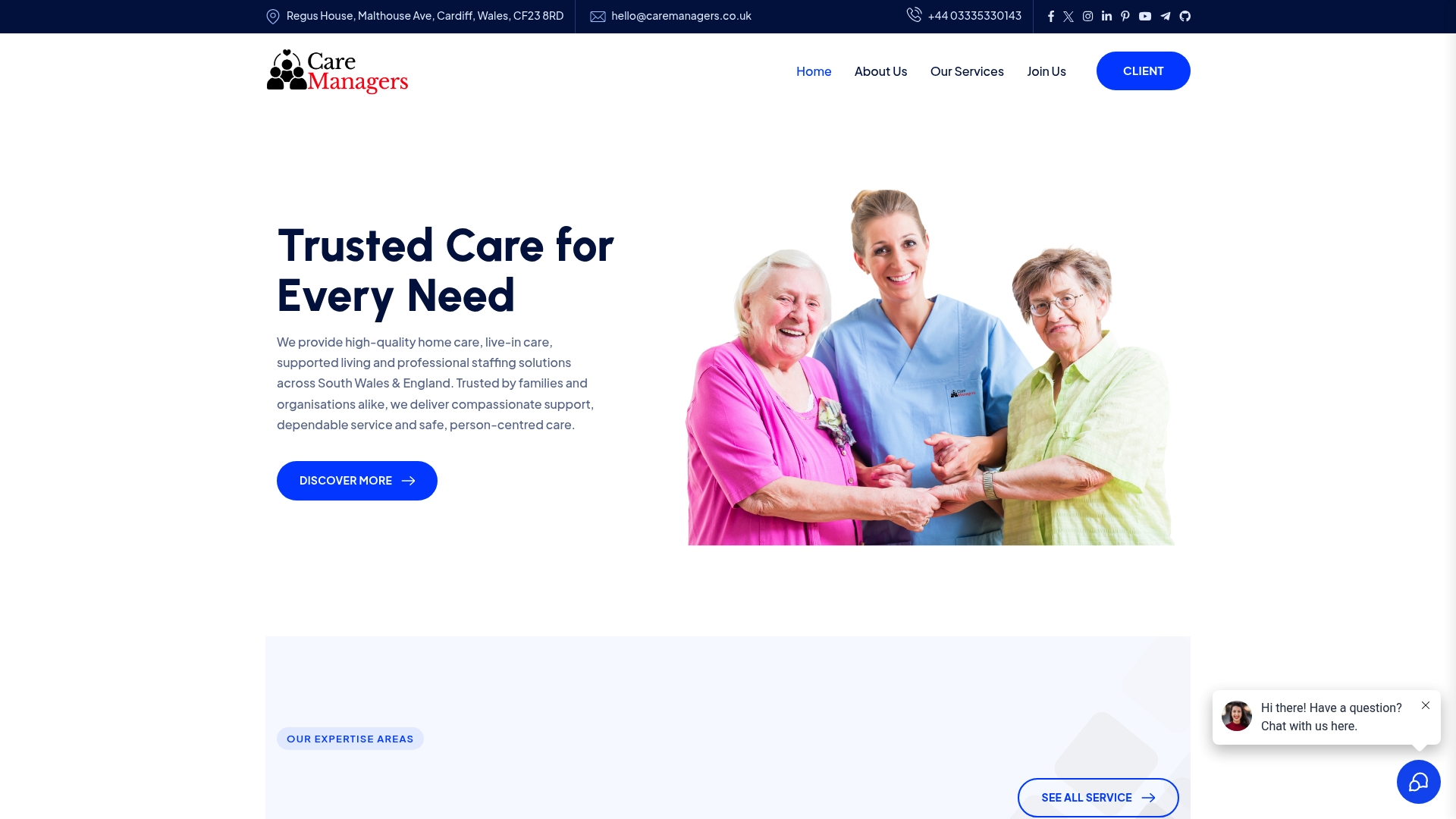
Services cover dementia support at home, live-in care, respite care, and hospital discharge support. Every carer is DBS-checked, and Caremanagers works only with CQC-registered arrangements. Whether you are at the early research stage or ready to start, the home care services page sets out the next steps clearly. Call or use the contact form to speak with a care manager who will listen to your priorities and match them to the right person.
Sources
FAQ
Why does caregiver identity matter more than qualifications alone?
Qualifications confirm minimum competence, but identity — values, temperament, language, and lived experience — determines how care actually feels day to day. A carer with the right approach and genuine warmth often delivers better outcomes than one with higher credentials but a poor personality fit.
How do I check if a home care agency is CQC-registered?
Search the CQC website (cqc.org.uk) by agency name or postcode. The listing shows the current rating, the date of the last inspection, and the full report, which covers staffing, safety, and responsiveness.
What questions should I ask about dementia-specific training?
Ask what named training programmes carers have completed, how recently, and how they respond when someone with dementia becomes distressed or refuses care. An agency that answers these questions clearly and specifically is more likely to deliver consistent, skilled support.
How long should a trial visit be?
A single visit of one to two hours is usually enough to observe how the carer greets the person, communicates, and handles any small difficulty. Follow up with the cared-for person and any regular visitors soon after to capture their impressions while they are fresh.
What should I do if I am unhappy with a carer or agency?
Document your concerns with dates and specific observations, then raise them in writing with the agency manager. If the response is unsatisfactory, report the agency to the CQC. For immediate safety concerns, contact your local council’s adult safeguarding team without delay.