
Table of Contents
- Understanding Aggressive Behaviour in Dementia
- Identifying Triggers for Aggressive Dementia Behaviours
- Dementia Triggers and De-escalation Techniques
- How to Handle Sundowning Aggression
- Creating a Safe Home Environment
- When to Seek Professional Dementia Care Support
- Supporting Your Own Wellbeing as a Caregiver
- Conclusion
Last Updated: August 20, 2026
Understanding Aggressive Behaviour in Dementia
Aggressive behaviour in dementia is one of the most challenging symptoms families face at home. Unlike typical aggression, it’s not a character flaw or deliberate act, it’s a symptom of cognitive decline and neurological changes. When someone with dementia becomes aggressive, they’re often frightened, confused, or overwhelmed by their environment. The behaviour itself is their way of communicating distress when language fails them.
Managing aggressive dementia behaviours at home requires understanding that the person isn’t trying to hurt you. They’re reacting to something they perceive as threatening. This shift in perspective changes everything about how you respond. Instead of taking the behaviour personally, you start looking for the root cause. That’s where real solutions begin.
Aggressive behaviour can manifest in different ways: verbal aggression with shouting or uncharacteristic language, physical aggression such as striking or pushing, or a combination of both. Recognising these patterns early helps you intervene before escalation occurs.
Aggressive dementia behaviours are symptoms of cognitive decline, not character flaws. They signal distress, fear, or confusion rather than intentional harm.
Identifying Triggers for Aggressive Dementia Behaviours
The key to managing aggressive dementia behaviours at home lies in identifying what sets them off. Every person has different triggers, and careful observation over days and weeks reveals patterns.
Common triggers include overstimulation from noise, too many people, or too much activity at once. A crowded room, loud television, or multiple conversations can overwhelm someone whose cognitive processing is already compromised. Changes to routine, a different carer, moved furniture, or unexpected visitors, can trigger distress and aggressive responses.
Physical discomfort is another major trigger people often miss. Pain from arthritis, urinary tract infections, or constipation can make someone irritable and aggressive. Hunger, thirst, or needing the toilet can trigger outbursts, especially if the person can’t communicate these needs clearly. Always check the basics first: Has the person eaten? Do they need the toilet? Are they in pain?
Environmental factors matter too. Poor lighting, unfamiliar spaces, or being alone increase anxiety and aggression. Temperature extremes and mirrors or reflections sometimes frighten people with dementia, who may not recognise themselves.
Keep a simple log of aggressive episodes: what happened before, what the person was doing, who was present, and what time it occurred. Patterns emerge quickly, revealing specific triggers unique to that individual.
Dementia Triggers and De-escalation Techniques
Once you’ve identified triggers, the next step is learning how to de-escalate when aggressive behaviour starts. De-escalation is about reducing tension before it becomes a crisis.
Your body language and tone of voice matter more than your words. Speak slowly and gently, keeping your voice low and calm. Avoid sudden movements or gestures that might startle the person. Stand at an angle rather than directly facing them, which feels less confrontational. Keep your hands visible and open. If the person is agitated, give them physical space.
Validation is more effective than correction. If someone with dementia believes it’s 1975 and their mother is coming to visit, arguing will only escalate distress. Instead, acknowledge their feelings: "You’re waiting for your mum. That must feel important to you." This validates their emotion without reinforcing false beliefs.
Redirection works well when the current activity is causing distress. If someone is upset about leaving the house, redirect their attention: "I see you’re upset. Would you like a cup of tea?" Shifting focus to something calming often defuses the situation.
Never argue, reason, or try to convince someone with dementia they’re wrong. Their reality is their truth. Acceptance and redirection work far better.
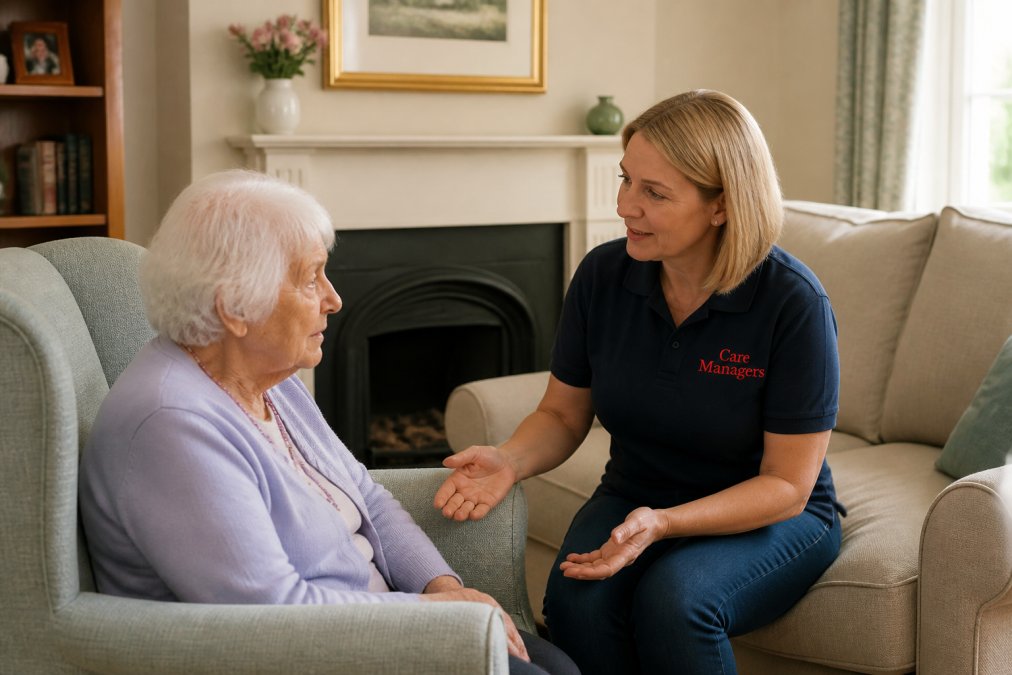
Avoid restraint, raised voices, or confrontational language during aggressive episodes. These escalate behaviour rather than calm it. Physical restraint is a last resort only when immediate safety is at risk, and should be followed by professional guidance.
How to Handle Sundowning Aggression
Sundowning is a specific pattern of confusion and agitation that typically worsens in late afternoon and evening. People with dementia often become more confused, anxious, and aggressive as daylight fades, linked to circadian rhythm disruption and increased fatigue.
Sundowning aggression often peaks between 4 and 8 p.m., with the person becoming restless, paranoid, or verbally aggressive. These episodes are predictable, and predictability means you can prepare.
Prevention is your best tool. As afternoon approaches, increase calming activities: soft music, gentle exercise, or quiet time together. Ensure good lighting as dusk falls; bright, warm lighting signals that it’s still daytime and helps orient the person. Avoid stimulating activities, loud noises, or busy environments during late afternoon.
Maintain a consistent routine. If dinner is always at 6 p.m., keep it at 6 p.m. Predictability reduces anxiety. Some people benefit from an afternoon snack and a quiet activity like looking at old photographs or listening to familiar music.
If sundowning aggression does occur, use de-escalation techniques: stay calm, validate feelings, and redirect attention.
Sundowning peaks in autumn and winter when daylight hours are shortest. If aggression increases seasonally, consider light therapy or ensuring maximum natural light during afternoon hours.
Creating a Safe Home Environment
Your home environment either reduces or increases the likelihood of aggressive behaviour. A chaotic, overstimulating environment triggers more aggression. A calm, predictable, well-organised space promotes emotional regulation. dementia care philosophy.
Reduce background noise from televisions, radios, or multiple conversations. Keep one activity happening at a time. Avoid strong smells, bright flashing lights, or sudden temperature changes that cause cognitive overload.
Organise the physical space to prevent frustration. If the person searches for something repeatedly, keep it visible and accessible. Add clear signage to help them find the bathroom. Remove obstacles that create hazards and ensure pathways are clear to prevent falls.
Call us for Free Assessment Today →
Lighting is crucial. Bright, consistent lighting throughout the day reduces confusion. As evening approaches, gradually increase lighting rather than allowing the space to become dim. Natural light is ideal; position seating near windows when possible.
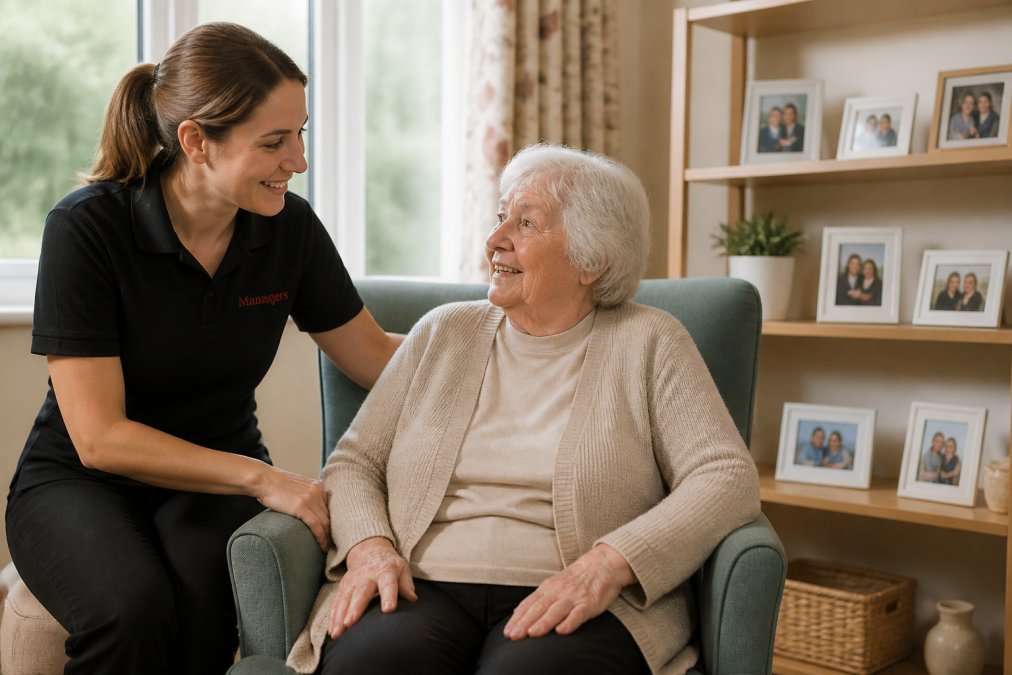
Familiar objects provide comfort and orientation. Photographs of family members, favourite possessions, and familiar artwork help the person feel grounded. Avoid rearranging furniture or removing familiar items, which increases disorientation and anxiety.
Create a routine and stick to it religiously. Meals, activities, and bedtime at the same time reduce anxiety and give the person’s brain less to process.
A safe environment for managing aggressive dementia behaviours combines reduced sensory stimulation, clear organisation, consistent lighting, familiar objects, and a predictable daily routine.
When to Seek Professional Dementia Care Support
There comes a point where home management alone isn’t enough. Recognising when to seek professional support protects both the person with dementia and the caregiver.
Seek professional help if aggressive episodes are becoming more frequent or severe, or if you’re unable to de-escalate them. If the person is at risk of harming themselves or others, professional intervention is necessary. If you’re feeling overwhelmed, exhausted, or unable to cope, that’s a clear signal to reach out.
A GP assessment is the first step. They can rule out medical causes, urinary tract infections, pain, medication side effects, that often trigger aggression. They can also review medications, as some drugs worsen behaviour whilst others help manage it.
Specialist dementia services offer support beyond what family can provide. A dementia care specialist can assess the person’s specific needs, identify triggers, and create a tailored care plan. They can recommend therapies, environmental modifications, or medication adjustments, and provide caregiver support and training.
Professional dementia care at home, whether through respite care, live-in care, or supported living arrangements, provides trained carers who understand aggressive behaviour and know how to manage it safely. Many families find that professional support actually improves relationships because the stress of constant caregiving decreases.
Care Managers provides specialist dementia care services designed around individual needs and routines. Our trained carers understand aggressive behaviour as a symptom, not a character flaw, and approach each situation with patience and expertise. We work with families to create care plans that keep everyone safe whilst maintaining dignity and independence.
Supporting Your Own Wellbeing as a Caregiver
Managing aggressive dementia behaviours at home takes an enormous emotional and physical toll. Caregiver burnout is real, and it’s serious. You cannot pour from an empty cup.
Aggressive behaviour from someone you love is traumatic. You might feel hurt, rejected, or guilty. These feelings are normal, but they shouldn’t be carried alone. Speak to a counsellor, support group, or trusted friend. Many carers find that talking with others in similar situations reduces isolation.
Set boundaries. You’re not responsible for preventing every aggressive episode. Accept that some situations are beyond your control. This reduces guilt and helps you focus on what you can actually influence.
Take breaks. Regular respite care, even a few hours per week, protects your mental health. Burnout creeps in gradually when you never get a break.
Physical self-care matters. Sleep deprivation increases stress and reduces your ability to cope. Eating properly, moving your body, and getting outside help regulate your nervous system.
If you’re experiencing thoughts of harming yourself or the person you’re caring for, contact your GP or a mental health crisis service immediately. Caregiver burnout can become dangerous; professional help is not weakness, it’s survival.
Consider joining a caregiver support group. Organisations that focus on dementia care often run groups where carers share experiences and strategies.
Managing aggressive dementia behaviours at home is one of the most difficult aspects of caregiving. The combination of understanding triggers, learning de-escalation techniques, creating a safe environment, and maintaining your own wellbeing creates the foundation for sustainable care. However, when home management becomes overwhelming, professional support isn’t a failure, it’s the right choice for everyone involved. Care Managers offers tailored dementia care and respite support designed to keep your loved one safe whilst giving you the break you need. Our trained carers understand aggressive behaviour, know how to respond calmly, and work with families to create care plans built around individual routines and preferences. Reach out to discuss how our professional dementia care services can support your family’s needs.
Frequently Asked Questions
What are the common triggers for aggressive behaviour in dementia?
Aggressive behaviour in dementia often stems from fear, confusion, pain, or feeling overwhelmed. Common triggers include overstimulation from noise or crowds, changes to routine, feeling rushed, unmet needs like hunger or discomfort, medication side effects, and infections. Environmental factors such as poor lighting or unfamiliar spaces can also provoke agitation. Understanding your loved one's specific triggers helps you anticipate and prevent episodes before they escalate.
How can I use de-escalation techniques when someone with dementia becomes aggressive?
Stay calm and lower your voice, your demeanour directly influences theirs. Use simple, clear language and avoid arguing or correcting them. Maintain a non-threatening posture with open body language. Validate their feelings rather than dismissing concerns: say 'I understand you're upset' instead of 'you're being unreasonable.' Give them space if they need it, redirect their attention to a calming activity, and use reassurance and gentle touch if they find it comforting. Never restrain or confront aggressively.
What is sundowning and how does it cause aggressive behaviour?
Sundowning refers to increased agitation, confusion, and aggression that often occurs in the late afternoon or evening. It may be triggered by fatigue, changes in light, difficulty distinguishing day from night, or overstimulation throughout the day. Managing sundowning involves maintaining a consistent routine, increasing daytime activity and natural light exposure, reducing noise and distractions in the evening, and ensuring adequate rest. Some people benefit from calming activities like gentle music or familiar television programmes in the late afternoon.
When should I seek professional support for dementia-related aggression?
Seek professional help if aggression becomes frequent, severe, or poses safety risks to your loved one or yourself. Consult your GP if aggression is new, worsening, or accompanied by other changes like fever or incontinence, as these may indicate infection or medication issues. A specialist dementia assessment can rule out underlying medical causes. If you feel overwhelmed or unable to manage alone, professional care support, including respite care or live-in care, can provide trained carers who specialise in challenging behaviours and offer you essential respite.
This article was written using GrandRanker