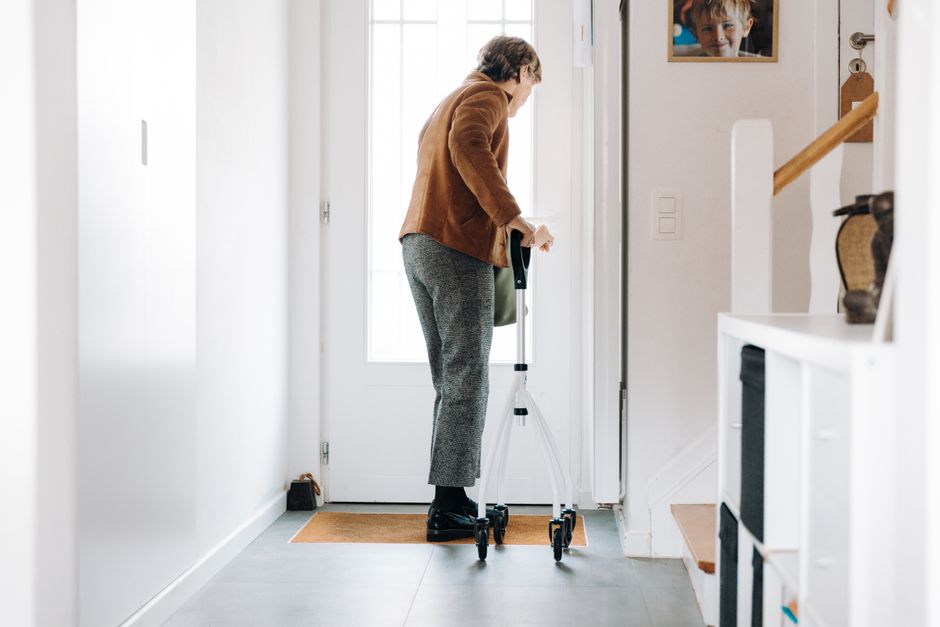
If you are reading this, you have probably found yourself worrying about a parent or older relative moving around their home. That worry is natural, but it is also something you can act on. Falls are not an inevitable part of ageing, and a few practical changes can dramatically reduce the risk. This home safety checklist for elderly parents focuses on 10 ways to prevent falls at home, while exploring how the right home care support can help your loved one live independently for longer.
Table of Contents
Why Falls Prevention Matters in the UK (The Hidden Cost)
Falls are the most frequent cause of accidental injury in the UK for people aged 65 and over. The consequences stretch far beyond a bruise or a broken bone. A single fall can trigger a chain of events that leads to hospitalisation, a prolonged stay in a care facility, and a permanent loss of independence. The British Geriatrics Society highlights that low physical activity in older adults reduces fitness, which in turn increases the need for care. When someone loses confidence after a fall, they move less, their muscles weaken, and their balance deteriorates further, creating a vicious cycle.
The emotional toll is just as significant as the physical one. A fall can destroy confidence overnight, leaving an older person afraid to walk to the kitchen or climb the stairs. That fear breeds isolation. Social engagements are cancelled, hobbies are abandoned, and the world shrinks to the size of an armchair. For family carers, the worry is relentless. The financial strain on the NHS is also considerable, with fall-related injuries placing heavy demand on emergency services, hospital beds, and social care budgets. Preventing falls at home is not just about avoiding injury; it is about preserving dignity, connection, and quality of life. A safe home is the foundation on which strength, balance, and confidence are built.
10 Ways to Prevent Falls at Home (The Checklist)
1. Declutter High-Traffic Zones
Hallways, doorways, and the route between the bedroom and bathroom are the arteries of the home. When these pathways become cluttered, the risk of tripping rises sharply. Walk through the house with fresh eyes and look for obstacles: a stack of newspapers by the door, a pair of shoes left in the corridor, or a trailing phone charger cable. Move pet beds away from narrow corridors at night, as pets can easily become an unseen hazard in the dark.
Loose rugs and mats are among the most common causes of trips. If possible, remove them entirely. If a rug must stay, secure it with a non-slip backing or strong double-sided tape around the edges. The goal is to create clear, wide pathways that allow your parent to move freely without having to navigate around furniture or objects. This one change costs almost nothing and can be completed in an afternoon.
2. Illuminate Every Step and Corner
Poor lighting transforms familiar spaces into danger zones. An older person getting up to use the toilet at night should not have to fumble through darkness. Install night lights in the bedroom and bathroom, and consider motion-activated plug-in lights along the route between the two. These are inexpensive, widely available, and remove the need to search for a switch while half-asleep.
Stairways demand particular attention. Ensure there are light switches at both the top and bottom of the stairs, so no one is ever tempted to climb or descend in the dark. In living areas, replace dim bulbs with bright, non-glare LED lighting. Pay special attention to transitional spaces like hallways, which often have no natural light. A well-lit home is a home where confidence can grow.
3. Install Grab Bars and Handrails
Grab bars provide crucial support in the places where balance is most precarious. The bathroom is the priority: install a sturdy bar near the toilet to assist with sitting and standing, and another inside the shower or bath area. These bars must be professionally fitted into wall studs to bear weight safely. A towel rail is not a substitute and can pull away from the wall under pressure.
Stairways should have handrails on both sides, extending the full length of the stairs. Many older homes in the UK have a rail on only one side, or a rail that stops short of the top or bottom step. Extending or adding rails is a relatively straightforward job for a carpenter or handyperson. If you or your parent rent the property, you may feel limited in what you can install. In these cases, look for clamp-on grab bars that attach securely to the bath edge, or heavy-duty suction-cup models for temporary use. Always discuss permanent adaptations with the landlord first; many are willing to grant permission for safety modifications, and some may even contribute to the cost.
4. Make the Bathroom Slip-Proof
Wet, smooth surfaces make the bathroom the most hazardous room in the house. Place non-slip mats inside the bath or shower tray, and check that they grip firmly. Adhesive non-slip strips are another effective option and are easier to clean. Outside the bath, lay a absorbent, non-slip bath mat on the floor to catch drips.
Consider whether a shower chair would reduce the effort of standing for long periods. A raised toilet seat can also make a significant difference, reducing the distance your parent needs to lower and lift themselves. One often-overlooked detail is the bathroom door lock. If someone falls inside a locked bathroom, precious minutes can be lost while help tries to gain access. Remove the lock or replace it with a privacy latch that can be opened from the outside in an emergency. This small change preserves dignity while prioritising safety.

5. Store Essentials Within Easy Reach
Reaching up to a high shelf or bending down to a low cupboard forces the body into unstable positions. Rearrange kitchen cupboards so that frequently used items, such as plates, mugs, tins, and pans, sit between waist and shoulder height. This eliminates the need for step stools or chairs, which should never be used as makeshift ladders. A long-handled grabber tool, sometimes called a reach stick, is an affordable investment that allows your parent to retrieve light objects without stretching or climbing.
Apply the same principle in the bedroom. The telephone, a glass of water, reading glasses, and any essential medication should be within arm’s reach of the bed. If your parent uses a walking aid, position it close by so they do not have to take unsupported steps first thing in the morning. Thoughtful organisation transforms the home from an obstacle course into a supportive environment.
6. Secure Stairways and Steps
Stairs present a concentrated set of risks: height, hard edges, and the need for steady footing. Keep stairs completely clear of clutter at all times. A book, a pair of slippers, or a shopping bag left on a step can cause a catastrophic trip. Install non-slip treads on wooden or tiled stairs to improve grip underfoot.
For older adults with poor vision or cognitive conditions like dementia, depth perception can be a particular challenge. Applying high-contrast tape to the edge of each step helps define where one step ends and the next begins. Avoid busy-patterned carpet on stairs, as it can obscure the edges of treads. Solid, light colours make navigation easier and safer. Check that the handrails, as discussed earlier, are secure and run the full length of the staircase without interruption.
7. Choose Safe Footwear
What your parent wears on their feet indoors matters as much as any structural adaptation. Encourage well-fitted, closed-back slippers or shoes with non-slip soles. The back of the slipper should grip the heel securely; slip-on mules can slide off mid-step and cause a stumble. Walking in socks or tights on hard floors is particularly dangerous, as the fabric offers no grip and can slide on polished wood or laminate.
Check that laces are tied and not trailing, or opt for Velcro-fastening shoes that are easy to secure. Footwear should be comfortable and supportive, not loose or worn down. If your parent is reluctant to change their habits, frame it as a simple swap that protects their independence, rather than a restriction on their comfort.
8. Address Vision and Medication Side Effects
The home environment is only part of the picture. Your parent’s physical state plays an equally important role in preventing falls. Regular eye check-ups, at least every two years or as advised by an optometrist, ensure that their glasses prescription is current. Out-of-date lenses distort depth perception and make it harder to spot obstacles. Encourage your parent to wear their glasses consistently and to keep them clean.
Medication can also contribute to fall risk. Some drugs cause dizziness, drowsiness, or a sudden drop in blood pressure when standing. Arrange a medication review with the GP or a pharmacist, especially if your parent takes multiple prescriptions. This review can identify side effects and interactions that might be affecting balance. A simple habit to adopt is standing up slowly from a sitting or lying position, pausing for a moment before walking. This gives the body time to adjust blood pressure and reduces the chance of light-headedness.
9. Utilise Technology and Personal Alarms
Technology has advanced significantly, and many devices now offer affordable, discreet protection. A personal alarm, worn as a pendant or wristband, allows your parent to call for help at the press of a button if they fall. These services connect to a 24/7 monitoring centre that can alert family members or emergency services. Some systems include fall detection, automatically triggering an alert if a sudden impact is detected.
Smartwatches with fall detection offer an alternative that feels less medicalised. These devices can send an alert to designated contacts and, in some cases, call emergency services directly. Smart speakers like Amazon Alexa or Google Home can also be configured to call family members hands-free, which is invaluable if your parent cannot reach a phone. These technologies provide peace of mind for both the older adult and their family, bridging the gap between independence and safety.
10. Check Outdoor Paths and Entrances
Falls do not only happen indoors. The path from the front door to the pavement, the back garden steps, and the driveway all deserve attention. Repair uneven paving stones and fill cracks that could catch a toe or a walking stick. Keep paths clear of moss, wet leaves, and overhanging plants that reduce grip underfoot. In autumn and winter, these hazards multiply, so regular maintenance is essential.
Outdoor lighting should be bright and ideally motion-activated, so your parent never has to approach a dark entrance while fumbling for keys. Check that handrails by external steps are secure and rust-free. If your parent enjoys gardening, ensure that tools and hoses are stored away from walkways. A safe outdoor space encourages fresh air and activity, both of which contribute to overall wellbeing.
How to Pay for Home Safety Adaptations (UK Funding)
One of the most common concerns families raise is the cost of home adaptations. The good news is that financial support is available in the UK, and you do not have to navigate the system alone. Disabled Facilities Grants (DFGs) are means-tested grants provided by local councils in England, Wales, and Northern Ireland. They cover essential adaptations such as stairlifts, level-access showers, and ramps. The maximum grant amount varies, but it can fund significant work that transforms a home’s safety. Your parent or a family member applies through the local council, and an occupational therapist will assess the need.
Home Improvement Agencies (HIAs) are local, not-for-profit organisations that help older and disabled people with home repairs and adaptations. They offer practical advice, help with finding trusted contractors, and can guide you through the DFG application process. Many HIAs operate across the UK, and a referral can come from a GP, district nurse, or social care team. For smaller, lower-cost items like grab bars, non-slip mats, and night lights, high-street retailers and NHS-approved suppliers offer affordable options that can be fitted quickly. If you are unsure where to start, ask your GP or occupational therapist for a home assessment referral. A professional assessment identifies risks you might miss and provides a clear, prioritised plan of action.
Beyond the Checklist: Strength and Balance for 2026
A safe home is half the equation. The other half is the physical strength and balance your parent brings to that environment. The British Geriatrics Society emphasises that maintaining fitness is one of the most effective falls prevention strategies available. In 2026, there are more accessible options than ever for older adults to stay active at home.
The KOKU app, an NHS and Orcha-approved programme, gamifies strength and balance exercises designed specifically for older adults. Trials in Greater Manchester, Nottingham, and Texas showed high usability and trends toward improved balance, health status, and confidence after six weeks of independent use. For those who prefer audio-based guidance, “10 Today” is a free exercise programme produced by Sport England and Demos, available on BBC Sounds. Each session is short, gentle, and designed to fit into a daily routine. Beyond structured programmes, everyday activities like walking, gardening, and chair-based exercises all contribute to maintaining mobility. The key is consistency. A body that moves regularly is a body that stays steadier for longer.
What to Do If a Fall Happens
Despite every precaution, falls can still occur. Knowing what to do in the moments after a fall can reduce injury and speed up recovery. If your parent falls and cannot get up, they should try to stay calm and attract attention. Shouting, banging on the floor or wall, or using a personal alarm are the first steps. If they have a mobile phone or smart speaker within reach, they should use it to call for help.
If they feel able to get up, the safest technique is to roll onto their hands and knees, crawl to a sturdy piece of furniture like a chair or sofa, and use it for support to rise slowly. They should take their time and rest between movements. Even if a fall seems minor and causes no obvious injury, it is important to tell a GP. A fall can signal an underlying issue such as an infection, a change in blood pressure, or a medication side effect. Reporting it allows the GP to investigate and adjust care. A fall does not mean the end of independence. It means the current plan needs reviewing and strengthening, not abandoning.
Frequently Asked Questions
Are grab bars worth installing?
Yes. Grab bars provide reliable support in the bathroom, where surfaces are slippery and balance is most challenged. They are a low-cost, high-impact adaptation that can prevent a serious fall. Professional installation ensures they bear weight safely.
What is the best type of lighting to prevent falls?
Bright, non-glare LED lighting is the most effective. For night-time, motion-activated plug-in lights along the route to the bathroom remove the need to search for switches and provide immediate, gentle illumination.
How do I get a home safety assessment?
A home safety assessment can help identify potential risks and recommend practical changes to make the home safer. You can speak with your GP, local council adult social care team, or an occupational therapist for advice. Alternatively, Care Managers can provide personalised support and guidance to help families understand their care options and create a safer environment at home.
Are there grants available for home modifications?
Yes. Disabled Facilities Grants are available from local councils across the UK. These are means-tested and cover essential adaptations such as stairlifts, ramps, and accessible showers. A Home Improvement Agency can help with the application.
Creating a Safer Future
The ten steps in this checklist range from simple, no-cost changes like decluttering a hallway to more involved adaptations like installing grab bars. Each one contributes to a safer, more confident life at home. The goal is not to restrict your parent or to make their home feel clinical. It is to empower them to move freely, to enjoy their daily routines without fear, and to maintain the independence they value. Small changes make a big difference. Start with one room, one conversation, one adaptation. Share this checklist with your family, walk through the house together, and begin the process today. A safer future is built step by step.