TL;DR:
- A good home care worker combines professional competence and genuine compassion to ensure safety, comfort, and respect. Essential qualities include reliability, communication, patience, adaptability, and respect for dignity, which improve care outcomes and client well-being. Professional qualifications and strong personality fit further enhance care quality and foster long-term trust.
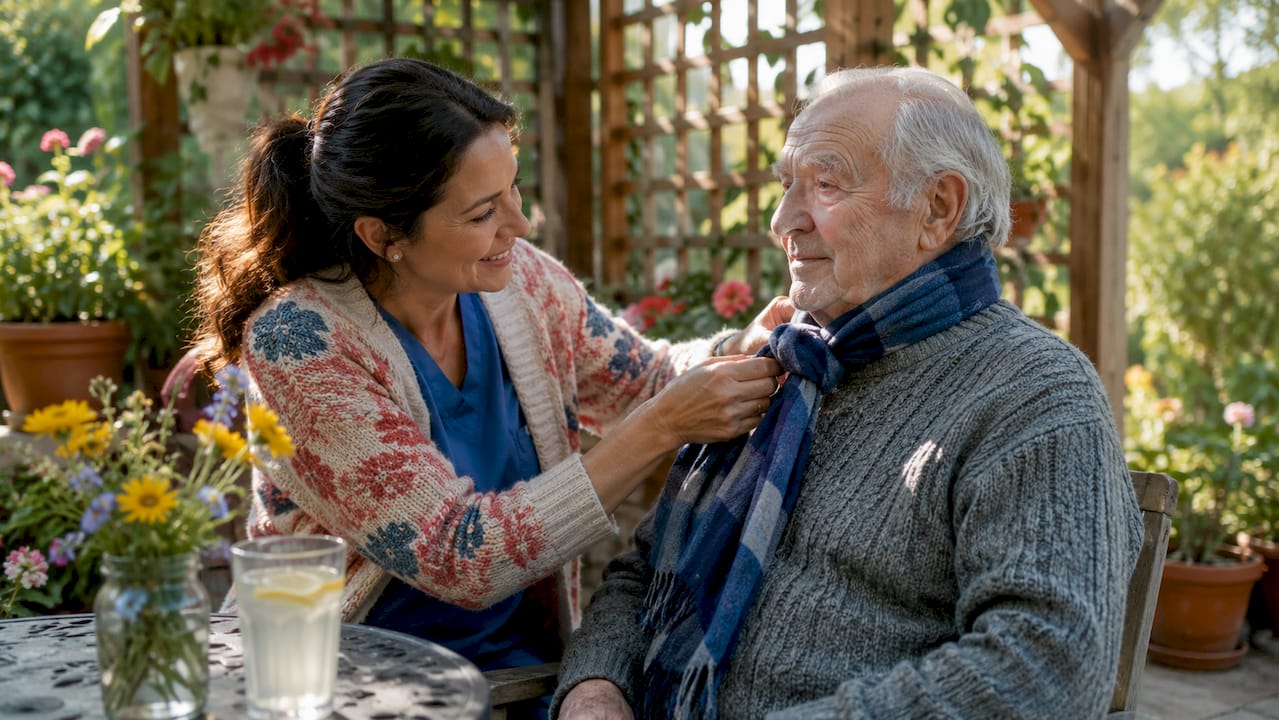
A good home care worker is defined by the combination of professional competence and genuine compassion that keeps vulnerable people safe, comfortable, and respected in their own homes. Whether you are arranging support for an elderly parent or a disabled family member, the qualities of a good home care worker will shape every aspect of their daily experience. In the home care profession, the recognised industry term for this role is “home care aide” or “home care assistant,” though families often simply ask what makes a great caregiver. The answer goes well beyond a tidy checklist of tasks.
1. What are the top qualities good home care workers should have?
Reliability, compassion, and communication rank as the top three qualities families seek in caregivers. Poor communication alone can lead to serious safety risks, including missed medications. These five core qualities define high-quality home care workers in 2026: reliability, compassion, communication, patience, and adaptability.
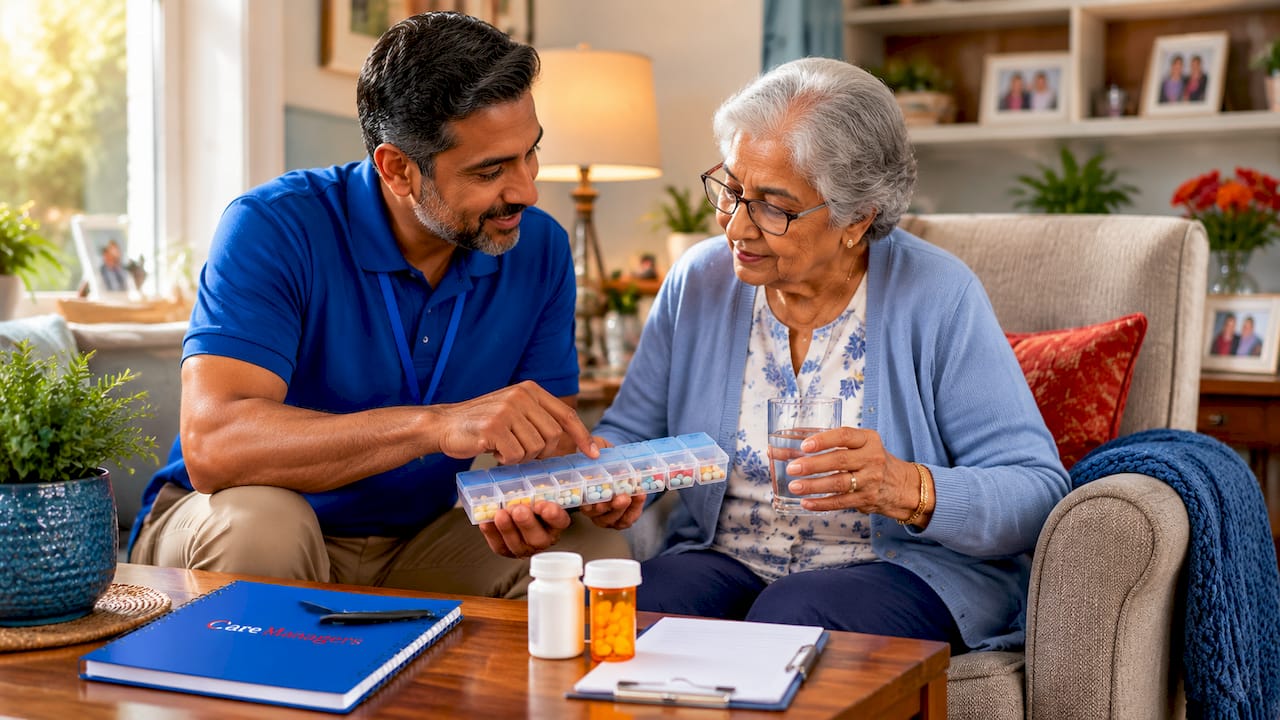
Below are the ten traits that matter most, explained in full.
Reliability
A reliable caregiver arrives on time, follows agreed routines, and does what they say they will do. For older adults especially, consistency is not a preference. It is a safety requirement. Disrupted routines can cause anxiety, confusion, and physical risk.
Compassion and empathy
Compassion is the emotional foundation of good caregiving. A compassionate aide notices when a client is struggling emotionally, not just physically. Empathy and reliability are the qualities families most frequently cite when describing what made a caregiver feel trustworthy.
Strong communication skills
A skilled caregiver communicates clearly with the client, with family members, and with other health professionals. They listen actively, ask the right questions, and report changes in condition promptly. You can learn more about effective caregiver communication and how it shapes daily personal care interactions.
Patience
Patience is not passive. It is an active skill that requires a caregiver to slow down, repeat instructions without frustration, and respond calmly to difficult behaviour or slow progress. Caregivers trained in dignified approaches replace urgency with reassurance, which reduces embarrassment and builds client confidence over time.
Adaptability
No two care days are identical. A client’s condition, mood, or physical ability can change without warning. Effective caregivers adjust their approach without losing composure or consistency. This flexibility is one of the most underrated skills for home care staff.
Professional qualifications and ongoing training
Certifications such as CNA (Certified Nursing Assistant), HHA (Home Health Aide), and PSW (Personal Support Worker), alongside CPR and first aid, are the baseline for competent professional home care staff. Specialised training in dementia and palliative care is a significant advantage. Families should always ask to see evidence of qualifications before care begins.
Respect for dignity and privacy
A good caregiver treats every client as a whole person, not a list of tasks. This means knocking before entering a room, asking permission before assisting with personal care, and never discussing a client’s condition within earshot of others. More than 75% of adults aged 50+ prefer to age at home, and dignity-preserving practices are central to making that possible.
Physical stamina and attention to detail
Home care work is physically demanding. Caregivers assist with transfers, mobility, and personal hygiene, often for several hours at a stretch. Attention to detail matters equally. Noticing a change in skin condition, appetite, or behaviour can prevent a minor issue from becoming a medical emergency.
Healthy professional boundaries
A warm caregiver who also maintains clear professional boundaries is far more effective long-term than one who becomes overly involved. Maintaining professional distance means providing genuine warmth without breaching personal or family boundaries. This protects both the client and the caregiver from situations that can erode trust.
A positive attitude and appropriate humour
Mood is contagious in a home care setting. A caregiver who brings calm positivity and, where appropriate, a light sense of humour can meaningfully improve a client’s emotional wellbeing. This is not about being cheerful at all costs. It is about creating an atmosphere where the client feels at ease.
Pro Tip: When you first meet a potential caregiver, watch how they speak to your loved one directly, not just to you. A caregiver who addresses the client by name and makes eye contact from the start is demonstrating respect instinctively.
How do professional qualifications improve care quality?
Qualifications give families a verifiable baseline of competence. A caregiver holding a CNA or HHA certificate has completed structured training in personal care, infection control, and basic clinical observation. CPR and first aid certification means they can respond safely in an emergency.
Specialised training in dementia, Alzheimer’s, and palliative care goes further. It equips caregivers with specific techniques for managing confusion, reducing distress, and supporting end-of-life comfort. These are not skills that develop naturally. They require formal instruction and practice.
Ongoing professional development matters just as much as initial certification. A caregiver who attends refresher training and stays current with best practice is better placed to handle complex or changing care needs. When assessing a caregiver, ask directly what training they have completed in the past twelve months. A confident, specific answer is a good sign.
You can also explore home care industry best practices to understand what quality and compliance look like across the sector.
Why preserving dignity is central to good home care
Dignity in home care results from autonomy, emotional support, and environment as much as from clinical skill. A caregiver who completes every task efficiently but ignores a client’s preferences or rushes through personal care is not providing good care. They are providing task completion.
Dignity-focused caregiving means involving clients in decisions about their own routines. It means asking whether they prefer a bath or a shower, whether they want the radio on, and what time they like to eat. These choices matter deeply to people who have lost independence in other areas of life.
“Shifting from correction to encouragement in caregiving supports empowerment and emotional health. A patient, non-urgent approach is vital for maintaining identity and dignity at home.” — Biology of Aging, 2026
Cultural sensitivity is part of this too. A caregiver who understands and respects a client’s cultural background, dietary preferences, and religious practices provides care that feels personal rather than institutional. Training in these areas is now considered a core competency for professional home care staff, not an optional extra.
The benefits of dignity-focused care extend to families as well. When you see your loved one treated with genuine respect, the anxiety of handing over their care to someone else eases considerably.
How personality fit and professional boundaries shape care outcomes
Personality fit between caregiver and client is crucial for long-term care success. A technically skilled caregiver who clashes with a client’s temperament will face resistance, reduced cooperation, and a strained atmosphere. Comfort with a caregiver’s personality is as important as their qualifications.
The table below shows the difference between a well-matched and a poorly matched caregiver relationship.
| Factor | Well-matched caregiver | Poorly matched caregiver |
|---|---|---|
| Communication style | Matches client’s pace and preferences | Talks over or ignores client cues |
| Emotional tone | Calm, warm, and consistent | Unpredictable or overly formal |
| Boundary awareness | Warm but professionally appropriate | Either too distant or overly familiar |
| Client cooperation | High, with trust built over time | Low, with frequent resistance |
| Family confidence | Strong, with regular updates | Weak, with communication gaps |
Professional caregiving also reduces family tension by managing intimate care tasks respectfully. When a neutral professional handles personal care, it prevents the discomfort of parent-child role reversal that many families find distressing. This is one of the most significant but least discussed benefits of professional home care for family dignity.
Pro Tip: Ask a prospective caregiver how they would handle a situation where a client refuses help. Their answer will reveal both their patience and their understanding of professional boundaries.
Key takeaways
The qualities of a good home care worker combine professional competence, emotional intelligence, and consistent respect for client dignity, making these traits inseparable from safe and effective care.
| Point | Details |
|---|---|
| Reliability is non-negotiable | Consistent routines protect safety and reduce anxiety for elderly or disabled clients. |
| Qualifications set the baseline | CNA, HHA, and specialised dementia training give families verifiable confidence in competence. |
| Dignity requires active effort | Good caregivers involve clients in decisions and respect privacy during every personal care task. |
| Personality fit affects outcomes | A caregiver whose temperament suits the client produces better cooperation and long-term comfort. |
| Boundaries protect everyone | Professional distance preserves trust and prevents the emotional complications of over-involvement. |
What I have learned about choosing the right caregiver
After years of working closely with families navigating home care decisions, I have come to believe that emotional intelligence is the quality most families underestimate at the start. They focus, understandably, on qualifications and availability. Both matter. But a caregiver who reads a room, adjusts their tone instinctively, and genuinely listens to a client will outperform a more credentialled but less perceptive colleague in almost every real-world situation.
Reliability reveals itself quickly. If a caregiver is late to the first meeting or vague about their previous experience, that pattern rarely improves. Trust your instincts on this one.
The families I have seen navigate care most successfully are those who stay involved. They give feedback, ask questions, and treat the caregiver relationship as a partnership rather than a transaction. Open communication between families and caregivers is not just helpful. It is what keeps care genuinely centred on the person receiving it.
— Emm
Find the right home care support with Caremanagers
Caremanagers connects families across South Wales and England with qualified, compassionate home care workers who bring the qualities described in this article to every visit. Every caregiver placed by Caremanagers is assessed for reliability, communication skills, and dignity-focused practice, not just clinical credentials.
Whether you need home care in Cardiff, home care in Bristol, or support following a hospital discharge, Caremanagers guides families through the entire process from initial assessment to ongoing care planning. The team specialises in dementia care, respite care, and live-in support, with a focus on keeping your loved one comfortable and respected at home. Contact Caremanagers today to speak with a care adviser about the right support for your family.
FAQ
What are the most important qualities in a home care worker?
Reliability, compassion, and communication are the top three qualities families prioritise in home care workers. Patience and adaptability are equally critical for managing the day-to-day realities of care.
How can I check a home care worker’s qualifications?
Ask to see certificates for CNA, HHA, or PSW training, alongside CPR and first aid credentials. Reputable agencies like Caremanagers verify these qualifications before placing any caregiver with a client.
Why does personality fit matter in home care?
Comfort with a caregiver’s temperament is as important as their qualifications because poor personality fit leads to client resistance and reduced care quality over time.
How do caregivers preserve a client’s dignity?
Dignity-focused caregivers involve clients in decisions, respect privacy during personal care, and use encouragement rather than correction. This approach reduces embarrassment and builds confidence in clients who need daily support.
Can professional home care reduce stress for family members?
Yes. Professional caregivers manage intimate care tasks in a way that prevents the discomfort of role reversal between adult children and parents, which significantly reduces family tension and preserves relationships.