TL;DR:
- Dementia care at home is the most effective way to maintain quality of life by providing familiar surroundings and personalized attention. It offers significant benefits such as reducing confusion, supporting individual needs, and lowering costs compared to residential care. Setting up a safe, adaptable home environment and planning for transitions ensures ongoing wellbeing and appropriate care as the condition progresses.
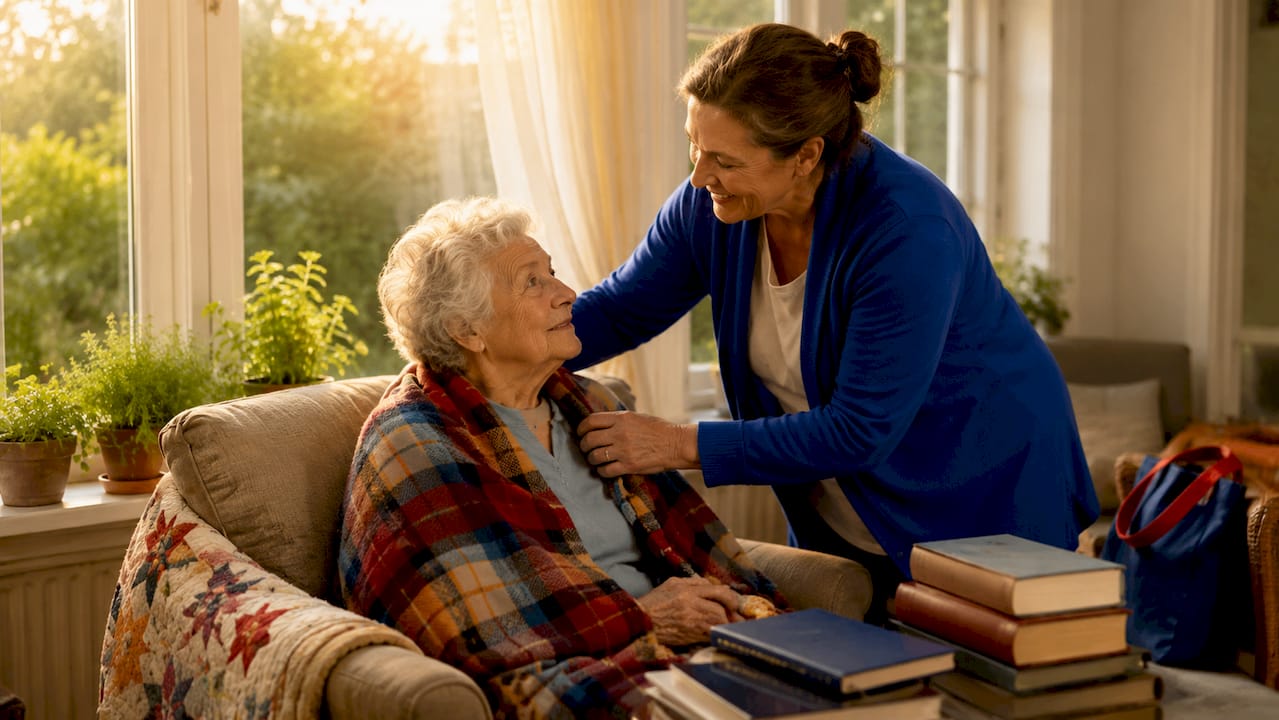
Dementia care at home, known in professional circles as community-based dementia support, is the most effective way to preserve quality of life for people living with dementia. Familiar surroundings, personalised routines, and one-to-one attention give home care a clear edge over institutional settings. Organisations like Vitalis HealthCare and the Alzheimer’s Society consistently highlight that the home environment acts as a stabilising force for cognitive health. For families weighing their options in 2026, understanding the real benefits of dementia care at home is the first step toward making a confident, informed decision.

1. What are the top benefits of dementia care at home?
Dementia care at home delivers advantages that residential facilities simply cannot replicate. The benefits span emotional wellbeing, cognitive health, financial savings, and family relationships. Here are the most significant ones, explained with the evidence behind them.
Familiar surroundings reduce confusion
Familiar home environments act as a cognitive anchor, reducing confusion and agitation in people with dementia. The same sights, smells, and sounds that a person has known for decades lower the cognitive load their brain must manage each day. This directly reduces episodes of distress and makes daily life calmer for everyone involved.
Person-centred care respects the individual
A great dementia care plan must be person-centred, honouring the person’s life story, habits, and preferences. At home, a carer can follow the exact morning routine your loved one has kept for 40 years. That level of personalisation is structurally impossible in a facility managing dozens of residents simultaneously.
Flexibility as dementia progresses
Dementia care plans require flexibility over time because the condition progresses through distinct stages, with survival ranging from 4 to 20 years. Home care adapts. You can increase hours, add specialist support, or introduce new safety measures without uprooting the person from their environment. Residential facilities often require a full move when care needs intensify.
Significant cost savings
In-home dementia care typically costs less than residential memory care. Part-time in-home assistance ranges from £3,000 to £6,000 per month, compared to £5,000 to £12,000 or more for memory care facilities. That difference compounds significantly over a condition that can last two decades.
Active engagement supports cognitive health
Providing active engagement such as music, reminiscence activities, and gentle exercise improves mood and social interaction in people with dementia. At home, these activities can be tailored to what the individual actually enjoys, not what suits a group programme. A person who loved gardening can still tend a window box. That specificity matters enormously.
Relief for family caregivers
Professional in-home care complements family love by handling complex caregiving tasks, allowing families to reconnect in natural roles rather than functioning as full-time nurses. Caregiver burnout is a serious risk when families shoulder everything alone. Bringing in a trained professional restores the relationship between family member and loved one.
Addressing agitation at its root
Agitation in dementia often signals unmet physical needs such as pain, infection, or discomfort, rather than purely behavioural symptoms. A skilled home carer who knows the individual well is far more likely to spot these signals early. Catching them quickly improves outcomes more reliably than medication adjustments alone.
Pro Tip: Ask any prospective home care provider how they document and respond to changes in behaviour. A provider with a clear, written process for escalating concerns is one you can trust.
2. How does care at home compare to residential dementia care?
Choosing between home care and a residential facility is one of the hardest decisions a family faces. The right answer depends on the stage of dementia, the person’s physical needs, and the family’s capacity to support care at home.
The table below summarises the key differences across three common care settings.
| Factor | In-home care | Adult day programme | Memory care facility |
|---|---|---|---|
| Environment | Familiar home | Community centre | Purpose-built facility |
| Cost (monthly) | £3,000–£6,000 | £500–£1,500 | £5,000–£12,000+ |
| Supervision level | One-to-one | Group setting | 24-hour specialist staff |
| Personalisation | Very high | Moderate | Low to moderate |
| Family involvement | High | High | Variable |
| Suitable stage | Mild to moderate | Mild to moderate | Moderate to severe |
Home care offers the highest level of personalisation and family involvement. Memory care facilities provide round-the-clock specialist supervision, which becomes necessary when physical or medical needs exceed what home care can safely manage. Adult day programmes sit in the middle, offering structured social engagement while the person still lives at home.
The emotional impact of environment is significant. Moving a person with dementia to an unfamiliar setting often accelerates disorientation. Families who can sustain home care through the mild and moderate stages frequently report that their loved one remains more settled and communicative for longer.
3. How to set up your home for dementia safety and wellbeing
Setting up a home for dementia safety, sometimes called a dementia-friendly home adaptation, does not require a full renovation. Targeted changes make a substantial difference to both safety and daily confidence.
The most effective home adaptations for dementia patients include:
- Lighting: Increase brightness in hallways, bathrooms, and staircases. Poor lighting worsens disorientation, particularly at night.
- Signage: Place clear, simple labels on cupboards, the toilet door, and the kitchen. Large-print signs with pictures work better than text alone for many people with dementia.
- Fall prevention: Remove loose rugs, secure trailing cables, and install grab rails in the bathroom and beside the bed.
- Wandering safety: Fit door alarms or GPS trackers. Around 6 in 10 people with dementia wander at some point during the middle stage of the condition. Preparing for this before it happens is far less stressful than reacting to it.
- Familiar objects: Keep meaningful photographs, favourite ornaments, and familiar furniture in place. These objects provide comfort and orientation cues.
- Routine: Structure the day consistently. Meals, activities, and rest at predictable times reduce anxiety and improve cooperation with care tasks.
Coordinating these changes with a professional home caregiver ensures that adaptations match the individual’s specific stage and needs. A carer who visits regularly will notice when further changes are needed before problems arise.
Pro Tip: Review the home environment every three to six months. Dementia progresses, and an adaptation that worked well six months ago may need updating. Build this review into your dementia care plan step by step.
4. When might home care no longer be suitable?
Home care is not a permanent solution for every person with dementia. Recognising when the situation has changed is an act of love, not failure. Planning transitions before crises occur leads to better outcomes and significantly less stress for families.
The following situations typically signal that a transition to residential or specialist care is worth considering:
- Frequent and unsafe wandering that cannot be managed with home adaptations
- Repeated falls or a serious fall requiring ongoing medical attention
- Medical complexity that requires 24-hour nursing supervision
- Severe aggression or distress that puts the person or carers at risk
- Caregiver exhaustion that is affecting the health of family members
- Significant weight loss or inability to manage nutrition safely at home
When these triggers appear, options include adult day programmes to supplement home care, assisted living with a memory care unit, or full residential nursing care. Understanding what is end of life care is also relevant here. Dementia end of life care explained simply means specialist support focused on comfort, dignity, and pain management in the final stage of the condition. Home care can absolutely extend into this stage with the right professional support in place.
The key is to define your personal list of triggers before you reach a crisis point. Discuss them with your GP, a social worker, and your home care provider. A flexible, phased dementia care strategy serves families far better than a fixed plan that cannot adapt.
Key takeaways
Home care is the most effective setting for preserving quality of life, independence, and family connection in people with dementia when the right professional support is in place.
| Point | Details |
|---|---|
| Familiar environment matters | Home settings reduce confusion and agitation by providing consistent sensory cues. |
| Person-centred plans work best | Care plans that honour individual habits and preferences improve outcomes beyond symptom management. |
| Cost advantage is real | In-home care costs significantly less per month than memory care facilities in most cases. |
| Safety adaptations are non-negotiable | Lighting, signage, fall prevention, and wandering safeguards must be in place before problems arise. |
| Plan transitions proactively | Define care transition triggers in advance to avoid reactive, crisis-driven decisions. |
What I have learned from watching families navigate dementia care at home
I have seen families arrive at the decision to bring care into the home with enormous relief, and others arrive with guilt, as though choosing home care is somehow the easier option. It is not. It is often the harder, braver, and more loving choice.
What strikes me most is how quickly a person with dementia can settle when they return to, or remain in, a familiar space. The small things matter more than any clinical intervention: the smell of a particular soap, the chair by the window, the sound of a familiar radio station. These are not sentimental details. They are genuine cognitive anchors that reduce distress in ways that medication cannot always replicate.
The families who manage home care well share one trait: they accept professional help early, before they are exhausted. The families who struggle are those who wait until they are running on empty before asking for support. By that point, the relationship with their loved one has often become strained, and the person with dementia has picked up on that tension.
My honest view is that the benefits of professional home care are as much about the family as they are about the person with dementia. When you are no longer the sole carer, you become the son, daughter, or partner again. That shift changes everything.
— Emm
How Caremanagers supports families with dementia care across South Wales and England
If you are exploring dementia care options for someone you love, Caremanagers provides personalised, professional home care across Cardiff, Bristol, and throughout South Wales and England.
Caremanagers builds care around the individual, not around a standard package. Every client receives a tailored care plan that reflects their routines, preferences, and stage of dementia. The team includes experienced carers trained in dementia support, and the service adapts as needs change over time. Whether you need a few hours of support each week or full live-in care, Caremanagers offers a dependable, compassionate service that families trust. Visit Caremanagers to learn more about dementia care services and to speak with a member of the team about your family’s situation.
FAQ
What are the main benefits of dementia care at home?
The main benefits include familiar surroundings that reduce confusion, personalised one-to-one care, lower costs compared to residential facilities, and the ability to maintain family relationships. Home care also allows routines and activities to be tailored to the individual’s preferences and history.
How do I know if home care is safe for someone with dementia?
Home care is safe when the environment has been adapted for fall prevention and wandering risks, and when a professional carer is involved in monitoring changes. Review safety arrangements every few months as the condition progresses.
What is a dementia care plan and why does it matter?
A dementia care plan is a written document that outlines a person’s needs, preferences, daily routines, and how care will be delivered and reviewed. A good plan is person-centred, flexible, and updated regularly to reflect changes in the person’s condition.
When should I consider moving from home care to residential care?
Consider a transition when wandering becomes unsafe, falls are frequent, medical needs require 24-hour nursing, or caregiver wellbeing is seriously affected. Planning these triggers in advance reduces the stress of making the decision under pressure.
What does dementia end of life care involve at home?
Dementia end of life care at home focuses on comfort, dignity, and pain management in the final stage of the condition. It typically involves a combination of professional carers, district nurses, and palliative care specialists working together to support both the person and their family.