
Table of Contents
- Why Clear Communication with Home Care Agencies Matters
- Step 1: Set Clear Expectations from the Start
- Step 2: Establish a Home Care Communication Log Template
- Step 3: Maintain Open Lines of Communication
- Step 4: How to Raise Concerns with Your Home Care Provider
- Understanding CQC Standards for Care Communication
- Building Trust and Managing Care Continuity
- Frequently Asked Questions
Last Updated: September 2, 2026
Why Clear Communication with Home Care Agencies Matters
Communicating with home care agencies is one of the most overlooked aspects of arranging care for a loved one. Most families focus on finding the right provider, agreeing on hours, and sorting paperwork, then assume everything will run smoothly. Without structured, ongoing communication, you’re operating on assumptions. The care team assumes they understand your loved one’s preferences. You assume they’re following the care plan. Six weeks in, frustration builds on all sides.
Clear communication with home care agencies prevents this breakdown. It builds trust between families and carers, ensures care quality remains consistent, and gives you early warning when something needs adjusting. More importantly, it protects your loved one’s dignity and autonomy by keeping them at the centre of decisions about their own care.
Step 1: Set Clear Expectations from the Start
The foundation for communicating with home care agencies is set in your first conversations. This is where you establish what good looks like, how you want to be kept informed, and what matters most to your loved one.
Start by being explicit about expectations around person-centred care. Does respecting your mum’s independence mean she chooses what time to have breakfast? Does it mean the carer asks permission before helping with personal care? Say it clearly.
Next, agree on communication frequency and method. Some families need daily updates; others prefer weekly check-ins. Some want phone calls; others prefer messaging apps or email. The agency should confirm what’s realistic given their staffing and your loved one’s needs.
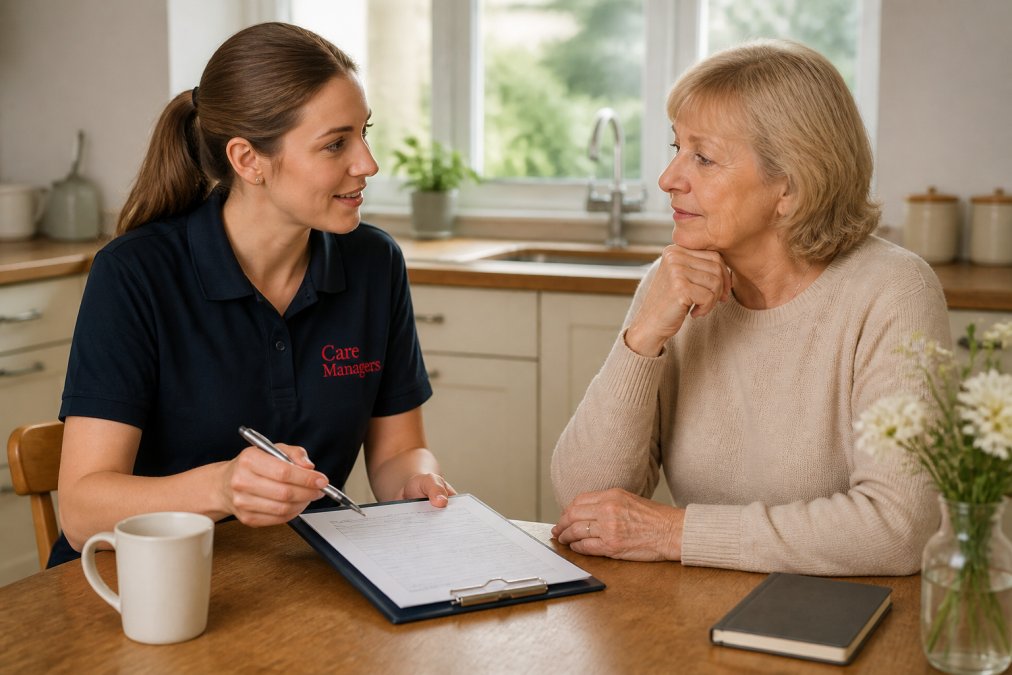
Discuss safeguarding and professional boundaries upfront. Ask how the agency handles sensitive situations or if a carer feels uncomfortable with a request. Understanding their escalation process prevents surprises if something serious arises.
Finally, agree on how changes to the care plan will be handled. Will the agency consult you before adjusting routines? Who has authority to make decisions? Clarity here prevents misunderstandings that erode trust.
Step 2: Establish a Home Care Communication Log Template
A communication log is your record of what’s been discussed, agreed, and observed. It’s essential for care continuity, especially if staff change, and invaluable if you ever need to raise concerns formally.
A simple log should capture:
- Date and time of communication
- Who you spoke with (carer name and role)
- What was discussed or observed
- Any changes agreed to the care plan
- Follow-up actions and who’s responsible
A shared document, notebook, or messaging app thread works well. The key is consistency, logging things as they happen.
What to Record in Your Daily Log
Record observations about care quality and your loved one’s wellbeing. If your dad had a good day, note it. If he seemed withdrawn or anxious, note that too. Over time, patterns emerge that inform care adjustments.
Also log any incidents, falls, medication errors, and signs of distress. If your mum’s carer noticed she’d forgotten her morning medication and corrected it, that’s worth recording. Document any situation that concerned you, even if it turned out fine.
Record conversations with the care team about changes or concerns. If you asked for more support with personal care and the agency agreed, log it. This creates a trail that protects everyone.
Digital Tools for Tracking Care Interactions
Many families use simple digital tools to replace paper logs. A shared Google Doc or Microsoft Word document works well for accessibility. Some families prefer messaging apps like WhatsApp for daily updates, which create an automatic record.
Whatever tool you choose, ensure your loved one is comfortable with it. The best system is the one everyone will actually use.
Step 3: Maintain Open Lines of Communication
Open communication is an ongoing practice. It means creating space for your loved one, the care team, and yourself to raise concerns, celebrate what’s working, and adjust as needed.
Encourage your loved one to speak up. Many older adults worry about “making a fuss” or fear that complaining will result in a carer being withdrawn. Reassure them explicitly: “If something isn’t right, I want to know. The agency wants to know too.” Ask open questions: “How did that go today?” rather than “Was the carer okay?”

Schedule regular check-ins with the care coordinator or team lead. A monthly phone call or quarterly meeting is often enough. Use these conversations to discuss how care is going, whether the current plan is working, and what adjustments might help.
Be responsive when carers or the agency contact you. If a carer messages about your mum’s appetite dropping, respond promptly. This signals that you’re engaged and encourages the team to keep you informed.
Create a culture where feedback flows both ways. If a carer has done something particularly helpful, say so. Positive feedback strengthens relationships and makes it easier to raise concerns when needed.
Step 4: How to Raise Concerns with Your Home Care Provider
Concerns will arise. A carer arrives late repeatedly. Your loved one mentions feeling rushed during personal care. How you raise these concerns shapes whether they get resolved or fester.
Start by assuming good intent. Most carers and agencies genuinely want to provide good care. A late arrival might reflect staffing pressures, not negligence. Approaching the conversation as “we have a problem to solve together” opens dialogue.
Be specific. “The carer seems rushed” is vague. “The carer has been arriving 15 minutes late three times this week, and my mum says she feels hurried during her wash” is clear and actionable.
Document the concern before raising it. Note dates, times, and what happened. If you’ve logged observations in your communication log, you have evidence.
Call us for Free Assessment Today →
Contact the right person. For minor concerns, start with the carer’s supervisor or care coordinator. For more serious issues, escalate to the manager or safeguarding lead.
Escalation Pathways for Serious Issues
Serious concerns, abuse, neglect, safeguarding risks, or repeated failure to follow the care plan, require immediate action.
Contact the agency’s safeguarding lead or manager directly. Be clear about why you’re escalating: “I’m concerned that my father’s medication isn’t being managed safely” or “I’ve observed signs that suggest my mother is being treated without dignity.”
If the agency doesn’t respond adequately, contact the local authority’s adult safeguarding team. They’re trained to investigate concerns about vulnerable adults and can take action if needed.
For complaints about care quality, lodge a formal complaint with the agency following their complaints procedure. A formal complaint creates a record and often triggers a more thorough investigation.
If the agency is regulated by the Care Quality Commission (CQC), you can also raise concerns with them. The CQC inspects care services and takes feedback seriously, especially if it suggests a pattern of poor practice.
Understanding CQC Standards for Care Communication
The Care Quality Commission sets standards for how care services should operate, including how they communicate with families and service users.
The CQC expects care providers to communicate in ways that are accessible and responsive. This means providing information in a format your loved one can understand, large print, audio, or a different language if needed. It means responding to queries and concerns in reasonable timeframes.
Providers must ensure communication is person-centred. This means involving your loved one in discussions about their care, not talking over them. It means seeking their views and explaining decisions in ways they can understand.
The CQC also expects clear communication about the care plan. You should receive a written copy, understand what it covers, and be told how it will be reviewed. If the plan changes, you should be informed and, ideally, consulted.
Transparency is another key standard. Agencies should be open about staffing, training, and any incidents or concerns. If something goes wrong, they should tell you, explain what happened, and describe how they’ll prevent it happening again.
These are regulatory expectations. If an agency isn’t meeting them, that’s a legitimate concern to raise with the agency or the CQC.
Building Trust and Managing Care Continuity
Trust between families and carers is built through consistent, respectful communication and reliable action. Staff turnover is one of the biggest threats to trust and continuity.
When a new carer is starting, ask the agency to arrange a handover. The outgoing carer can brief the new one on your loved one’s preferences and routines. You can also provide written information, a one-page summary of what matters most. This eases the transition and helps the new carer feel prepared.
Maintain communication during transitions. Check in more frequently in the first few weeks. Ask your loved one how they’re getting on with the new carer. Be alert to any concerns and raise them early.
Building trust also means being realistic about what care can achieve. If your loved one has dementia and sometimes feels distressed, a carer can’t eliminate that distress, but they can respond with patience and dignity. Communicating this understanding strengthens relationships.
Finally, recognise that trust is mutual. Carers need to trust that you’ll listen to their perspective and that you value their work. Open, respectful communication builds this reciprocal trust, which ultimately benefits your loved one most.
Managing communication with home care agencies requires intention. Clear expectations, consistent logging, open dialogue, and respectful escalation create a foundation where care can genuinely improve and your loved one’s dignity is protected.
At Care Managers, we understand that reliable communication is central to quality care. Our tailored care plans are built around your loved one’s individual routines and preferences, ensuring consistent, dignified, and kind support. We are committed to keeping you informed every step of the way. Whether you’re arranging home care, live-in care, or supported living services, our team works with you to establish communication systems that work for your family. Book a call with our team to discuss how we support families through every stage of the care journey.
| Communication Method | Best For | Frequency | Record-Keeping |
|---|---|---|---|
| Daily messaging app | Real-time updates and concerns | As needed | Automatic message history |
| Weekly phone call | Progress updates and planning | Weekly | Manual notes required |
| Monthly in-person meeting | Comprehensive review and relationship-building | Monthly | Meeting notes and action log |
| Shared digital platform | Comprehensive care tracking | Real-time carer input | Automated system records |
| Care communication log | Documentation and pattern spotting | Daily observations | Written/digital notebook |
Frequently Asked Questions
How often should I communicate with my loved one’s home care provider?
Regular contact depends on your loved one’s needs and care complexity. For routine domiciliary care, weekly check-ins are typical. If your loved one has dementia, advanced illness, or recent changes, daily communication or shift handover notes are often necessary. Establish a communication schedule with your care coordinator during the initial care plan review to ensure consistent feedback loops and early identification of any concerns about care quality or service outcomes.
What should I include in a home care communication log template?
Your log should record the date, time, carer name, care activities completed, any health changes or incidents, medications given, meals and hydration, mobility or emotional concerns, and any feedback provided. Include notes on your loved one’s mood, dignity, and respect for their preferences. This creates a transparent record for care reviews and helps your care team maintain consistent, person-centred care. Digital apps now allow real-time updates shared between family and carers.
How do I raise concerns with a home care agency without damaging the relationship?
Start with your care coordinator or line manager, not the carer directly (unless it’s a minor preference issue). Use specific examples: instead of ‘the care isn’t good’, say ‘on Tuesday, my mum’s medication wasn’t given at the usual time’. Request a care plan review meeting to discuss concerns formally. Document all conversations. If the issue isn’t resolved, follow the agency’s formal complaints procedure. The CQC expects agencies to have clear escalation pathways and to respond to feedback professionally, this is part of their regulatory standards.
What are the CQC standards for communication in home care?
The Care Quality Commission expects care providers to communicate clearly with service users and families, keep accurate records, involve people in care planning, and respond to concerns promptly. Agencies must have safeguarding protocols, incident reporting systems, and regular care reviews. They should respect professional boundaries whilst building trust, and ensure communication needs (language, hearing, sight) are met. CQC inspections assess whether domiciliary care agencies actually deliver person-centred care and maintain transparent communication, not just claim to.
This article was written using GrandRanker