
Table of Contents
- Signs Your Parent Needs Care: When Independence Becomes a Risk
- Changes in Personal Hygiene and Grooming
- Mobility Issues, Balance Problems, and Fall Risks
- Memory Loss and Cognitive Decline
- Unexplained Weight Loss and Nutritional Changes
- Household Maintenance and Cleanliness Neglect
- How to Talk to Your Parent About Home Care
- How to Arrange a Care Needs Assessment
- Frequently Asked Questions
Last Updated: August 30, 2026
Signs Your Parent Needs Care: When Independence Becomes a Risk
Recognising when your parent needs care is one of the most difficult conversations an adult child will have. The signs aren’t always obvious, a missed medication, a messier kitchen, less frequent phone calls, but together they paint a worrying picture. Most adult children miss early warning signs because they’re looking for dramatic shifts rather than gradual decline.
Care Managers has supported families through this transition, and we’ve learned that catching these signs early makes all the difference. Early intervention doesn’t mean losing independence; it means getting the right support in place so your parent can stay safe and maintain the life they’ve built.
Changes in Personal Hygiene and Grooming
One of the earliest signs your parent needs care is a noticeable decline in personal hygiene. Your parent might wear the same clothes for days, skip showers for weeks, or stop grooming in ways that were previously important to them.

This change often signals underlying issues: arthritis or mobility problems making showering painful, cognitive decline causing them to forget, or depression manifesting as neglect of grooming routines. If your parent has always taken pride in their appearance and suddenly stops, that’s worth investigating.
A trained carer can provide personal care support that maintains dignity whilst ensuring your parent stays clean and healthy. Many families find that having help with personal hygiene actually improves their parent’s mood and confidence.
Mobility Issues, Balance Problems, and Fall Risks
Changes in how your parent moves around their home are serious warning signs. You might notice shuffling rather than stepping, holding onto walls more than before, or hesitation when moving between rooms.
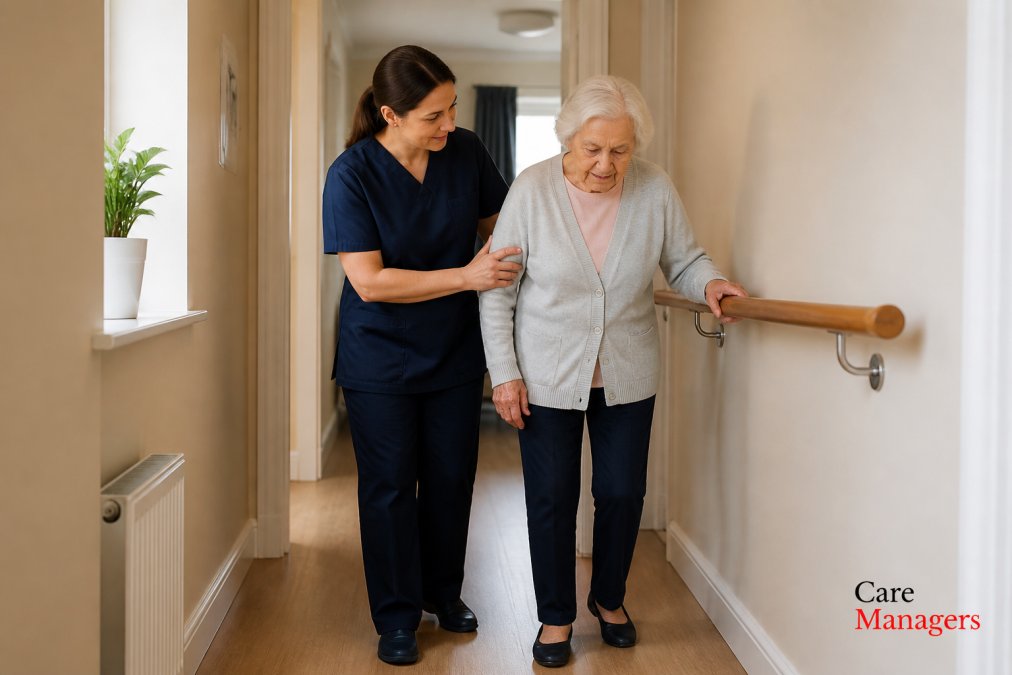
Falls are the leading cause of both fatal and non-fatal injury among older adults. A single fall can trigger a cascade of problems: a broken hip leads to immobility, immobility leads to muscle loss, and suddenly your parent has lost months of independence.
Balance problems, shuffling gait, or weakness in the legs are red flags. The home environment becomes crucial, loose rugs, poor lighting, clutter on stairs, and bathrooms without grab rails all become serious hazards. Your parent might need modifications like handrails and better lighting, but they also need human support to check in regularly and be present if a fall occurs.
Memory Loss and Cognitive Decline
Forgetting where you put your keys is normal. Forgetting that you’ve already had breakfast and preparing another meal is different. Memory loss and cognitive changes warrant a proper medical assessment, as they can stem from reversible causes like vitamin deficiencies or medication side effects, or progressive conditions like dementia.
Cognitive changes affect safety in ways that aren’t always obvious. Your parent might leave the stove on and forget about it, let strangers into the home, or wander and become lost. These aren’t character flaws; they’re symptoms that your parent needs structured support and supervision.
Professional carers trained in dementia care understand how to provide this support without making your parent feel watched or controlled. They can help with memory aids, establish routines, and keep your parent safe whilst maintaining independence.
Unexplained Weight Loss and Nutritional Changes
Weight loss without dieting is always worth investigating. If your parent has lost significant weight over recent months or shows little interest in food, that’s a sign something is wrong.
Nutritional decline can happen for many reasons: difficulty chewing or swallowing, dental problems, loss of appetite from medication or illness, depression, or simply forgetting to eat. Malnutrition weakens the immune system, slows healing, and accelerates physical decline. Watch also for signs of dehydration: confusion, dizziness, or concentrated urine.
A carer can help by preparing nutritious meals, encouraging your parent to eat, and monitoring intake. For many families, meal preparation support is the single intervention that prevents decline.
Household Maintenance and Cleanliness Neglect
Walk into your parent’s home and assess what you see. Is it cluttered with unopened post, dirty dishes, or laundry piling up? Has the bathroom become grimy or the kitchen noticeably less clean than your parent would normally tolerate?
Neglect of household tasks is a significant sign your parent needs care. This is different from being untidy; it’s about your parent no longer managing the physical and cognitive demands of maintaining a home. A neglected home also becomes a safety hazard: clutter on stairs increases fall risk, dirty conditions can harbour infections, and piled-up post might include important medical or financial information being missed.
Call us for Free Assessment Today →
Home care includes household support, not just personal care. A carer can manage laundry, cleaning, tidying, and meal preparation, which frees your parent from overwhelming tasks.
How to Talk to Your Parent About Home Care
Recognising that your parent needs care is only the first step. The conversation itself is often harder than the decision to seek help.
Approach this conversation with empathy and respect for your parent’s autonomy. Frame it not as a loss of independence but as a way to maintain it: “I want you to stay in your home and keep doing the things you love. Getting some help with the practical stuff means you can focus on what matters to you.”
Choose the right time and setting. Be specific about what you’ve noticed rather than making vague concerns. Listen to your parent’s perspective and involve them in decisions about what kind of help they need. If they feel they’ve had a say, they’re far more likely to accept support.
If your parent refuses help despite clear signs they need it, don’t give up. Sometimes acceptance takes time, or a GP’s medical perspective carries more weight than family. A crisis or hospital admission sometimes becomes the turning point that makes your parent willing to accept support.
How to Arrange a Care Needs Assessment
Once you’ve decided that your parent needs care, arrange a proper assessment. This ensures your parent gets the right type and level of support.
Your starting point is usually your parent’s GP, who can refer them to local adult social care services for a formal assessment of needs. This assessment looks at physical health, mental health, mobility, cognitive function, social support, and living situation, resulting in a care plan that specifies what support your parent needs and how often.
Many families also arrange a private assessment with a care provider to understand what home care specifically would look like. A care provider can visit your parent’s home, discuss routines and preferences, and explain what daily support would involve.
The assessment process is also an opportunity to discuss your parent’s wishes. What matters to them? Do they have cultural, religious, or dietary needs? Would they prefer a male or female carer? What time of day works best? These details matter because care that respects your parent’s preferences is care they’re more likely to accept and benefit from.
Once you have an assessment, you can explore options. Some families use local authority services, which are means-tested. Others arrange private care. Many use a combination.
Watching your parent’s independence decline is one of the hardest experiences of adult life. But recognising the signs your parent needs care early, and acting on them with compassion, means your parent can stay safe, comfortable, and as independent as possible for as long as possible.
The right care isn’t about taking over. It’s about providing the practical and emotional support that lets your parent continue living the life they’ve built, with dignity and safety. At Care Managers, we understand how personal this decision is, and we’re here to help you navigate it with genuine care and professional expertise. We offer compassionate and professional home care, live-in care, and supported living services. Book a call with our team to discuss your parent’s needs and explore how tailored home care can help your family.
Frequently Asked Questions
Q: What are the early warning signs that an elderly parent is struggling to live independently?
A: Early warning signs include difficulty with personal hygiene, neglected household tasks, unexplained weight loss, increased confusion or forgetfulness, social withdrawal, difficulty managing medications, and frequent falls or mobility concerns. You may also notice they’ve stopped activities they once enjoyed or seem anxious about daily tasks. Trust your instinct if something feels different, these signs often develop gradually, so regular check-ins help you spot changes early.
Q: How can I initiate a conversation with my parent about needing home care?
A: Choose a calm moment when you’re both relaxed, and frame the conversation around their safety and independence rather than loss of control. Use specific observations: ‘I’ve noticed the kitchen hasn’t been cleaned in a while’ rather than ‘You can’t manage anymore.’ Listen to their concerns, involve them in decisions, and emphasise that professional home care allows them to stay in their own home whilst having support. Avoid making them feel blamed or criticised.
Q: What is the difference between needing occasional help and full-time care?
A: Occasional help suits parents who manage most activities of daily living independently but need support with specific tasks like cleaning, shopping, or medication reminders. Full-time care is needed when your parent requires assistance with multiple activities, getting dressed, bathing, meal preparation, medication management, or when they’re unsafe alone due to cognitive decline or severe mobility issues. A professional care needs assessment can clarify which level of support is appropriate.
Q: How do I assess my parent’s safety at home?
A: Check for trip hazards like loose rugs or clutter, adequate lighting in hallways and bathrooms, accessible grab rails, clear pathways, and working smoke alarms. Assess whether they can safely use the kitchen and bathroom, reach medication and important items, and contact help if needed. Look for signs of neglect like unwashed dishes, soiled clothing, or pest issues. If you’re unsure, a professional care assessment can identify safety risks and recommend adaptations or support.
This article was written using GrandRanker