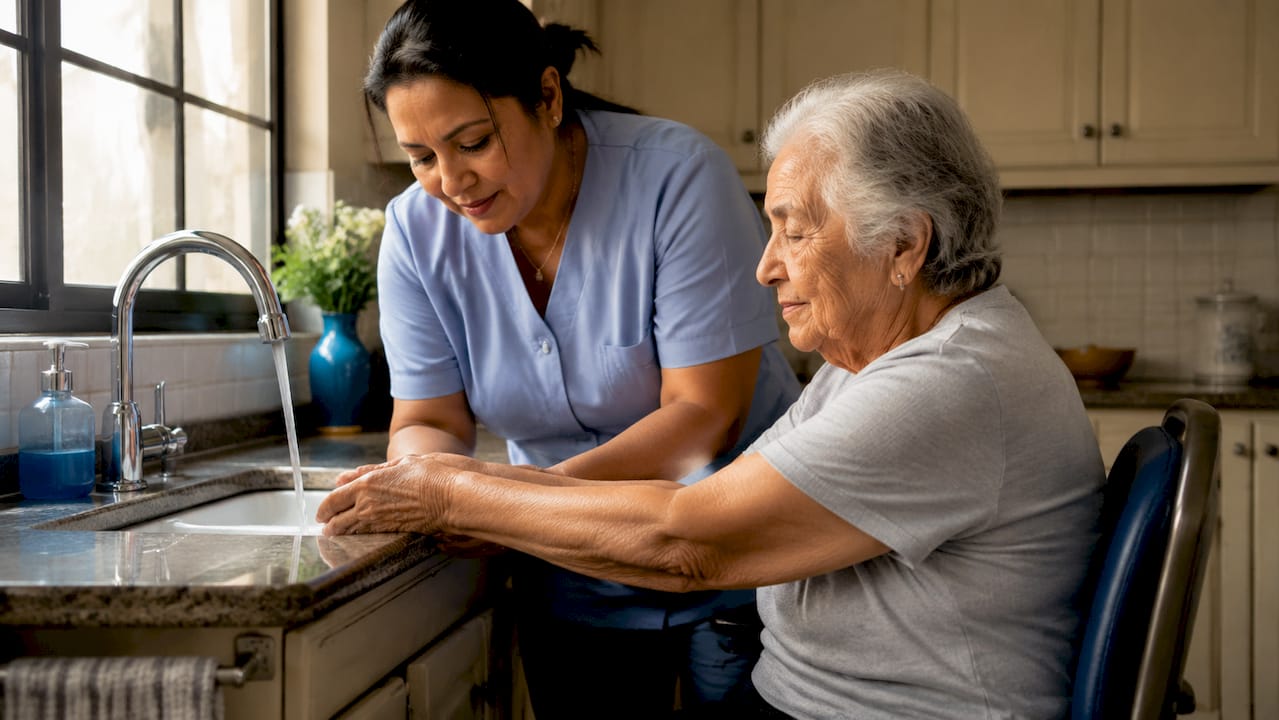
Personal care is defined as hands-on, non-medical assistance with the essential daily living activities that allow individuals to maintain health, hygiene, and dignity at home. The term covers what clinicians call Activities of Daily Living, or ADLs, a framework codified by Sidney Katz in the 1960s that remains the standard used by Medicare, Medicaid, and private insurers in 2026. Understanding personal care explained in full means knowing exactly which tasks are included, how they differ from nursing care, and how to build routines that are consistent and sustainable. Whether you are arranging support for a loved one or managing your own daily habits, this guide covers everything you need.
What does personal care explained actually mean?
Personal care is the non-medical support of daily physical tasks that keep a person clean, comfortable, and safe. It is distinct from nursing or medical care, which involves clinical procedures carried out by licensed professionals. The National Home Care Authority and Affordable Home Care both use the ADL framework to define the scope of personal care services clearly and consistently.
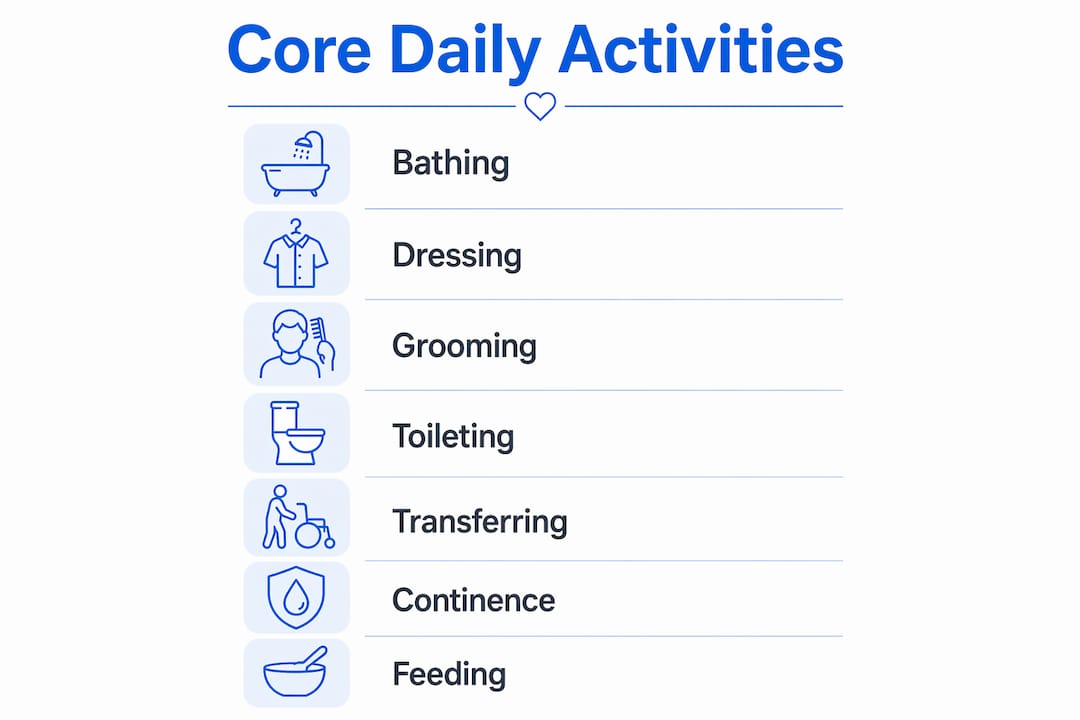
The six core ADLs are bathing, dressing, grooming, toileting, transferring, and continence care. Feeding is often included as a seventh category, particularly for individuals with swallowing difficulties or limited hand mobility. Together, these tasks form the foundation of any personal care plan, whether delivered by a professional carer or managed independently at home.
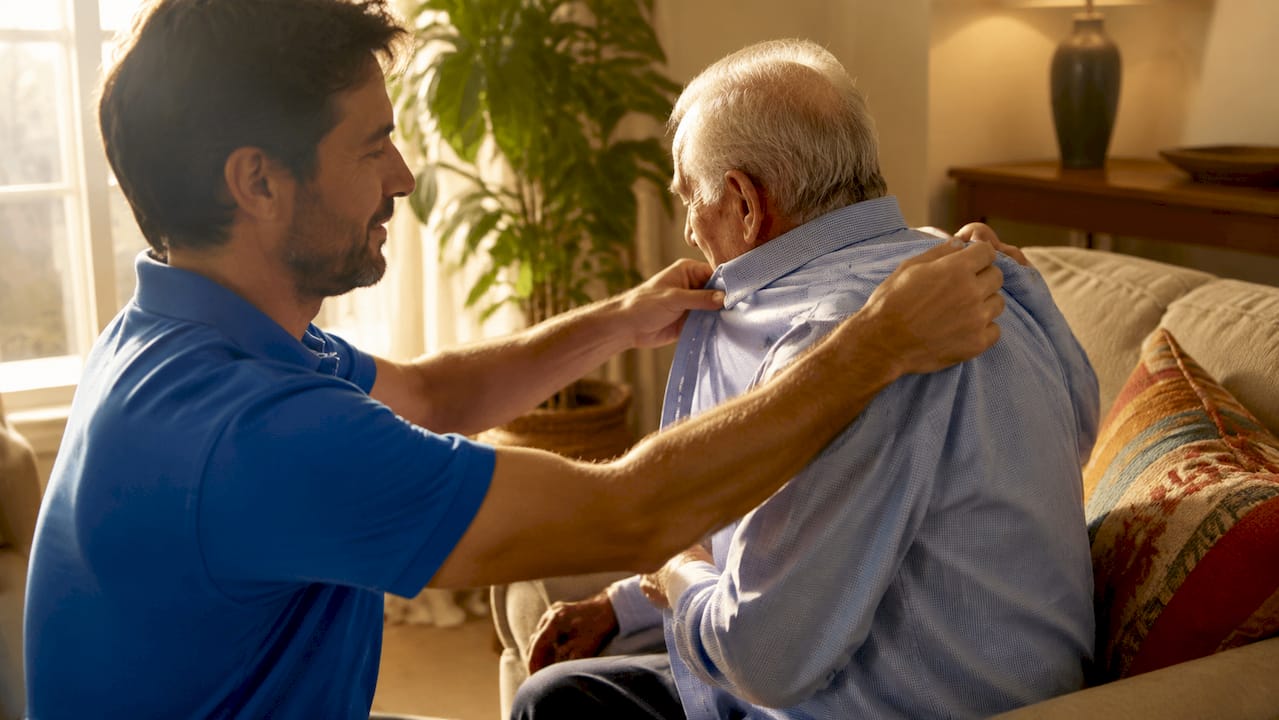
A typical care visit lasts 2–8 hours, with mornings being the most requested period to manage bathing, dressing, and mobility. That pattern reflects how much physical and cognitive effort these tasks demand first thing in the day, especially for older adults or those recovering from illness.
What are the six core activities of daily living?
Each ADL addresses a specific area of physical function. Together, they cover the full range of tasks a person must complete to live safely and with dignity.
| Activity of Daily Living | What it involves | Why it matters |
|---|---|---|
| Bathing | Washing the body, hair, and face | Prevents skin infections and supports comfort |
| Dressing | Choosing and putting on clothing | Maintains independence and self-expression |
| Grooming | Hair, nail, and oral hygiene care | Supports confidence and prevents health issues |
| Toileting | Using the toilet safely and hygienically | Preserves dignity and prevents skin breakdown |
| Transferring | Moving between bed, chair, and standing | Reduces fall risk and supports mobility |
| Continence care | Managing bladder and bowel function | Protects skin health and emotional wellbeing |
Feeding, the seventh ADL, is included when a person requires assistance with preparing or consuming food safely. Each of these tasks carries both a physical and an emotional dimension. Losing the ability to bathe or dress independently affects how a person feels about themselves, not just how clean they are. Skilled personal care respects that reality.
Care settings vary widely. Some individuals receive support in their own home, others in residential facilities. The goal in every setting is the same: preserve as much independence as possible while filling the gaps where help is genuinely needed.
How does personal care differ from nursing care?
Personal care aides are legally prohibited from conducting medical tasks such as wound care, injections, or clinical assessments. These require a licensed nurse or healthcare professional. The distinction matters because confusing the two can leave clinical needs unmet, particularly during hospital-to-home transitions.
| Task | Personal care aide | Licensed nurse |
|---|---|---|
| Bathing and dressing | Yes | Yes |
| Wound dressing changes | No | Yes |
| Medication administration | No | Yes |
| Mobility assistance | Yes | Yes |
| Clinical health assessments | No | Yes |
| Grooming and oral hygiene | Yes | Sometimes |
Families often blur these lines without realising it. They may expect a personal care aide to manage a catheter or administer insulin, tasks that fall outside the legal scope of non-medical care. This misunderstanding frequently creates friction during care coordination, particularly when a client is discharged from hospital and requires both personal support and clinical follow-up. Families blurring these lines is one of the most common causes of unmet care needs in home settings.
When both types of care are needed, personal care aides must collaborate with licensed nursing professionals. Clear communication between the two roles is not optional. It is the mechanism that keeps a client safe.
Pro Tip: If you are arranging care after a hospital discharge, ask the discharge team to specify in writing which tasks require a nurse and which can be handled by a personal care aide. This one step prevents most coordination failures.
What are the best personal hygiene practices for daily health?
Effective personal hygiene is built on a small number of consistent habits rather than a long list of products or rituals. The evidence is clear: brushing teeth twice daily with fluoride toothpaste, washing with lukewarm water to prevent skin dryness, and applying moisturiser within three minutes of bathing are the three most impactful daily habits for skin and oral health.
Handwashing sits above all other hygiene tasks in terms of infection prevention. Washing hands for at least 20 seconds with soap and water is the single most effective method to prevent bacterial and viral spread. The key moments are before eating, after using the toilet, and after coughing or sneezing. This one habit, done consistently, reduces infection risk more than any product or supplement.
Here is a practical breakdown of personal care habits by frequency:
- Daily: Brush teeth morning and evening with fluoride toothpaste. Wash face and body with lukewarm water. Apply moisturiser immediately after bathing. Wash hands at key moments throughout the day. Change into clean clothing.
- Weekly: Wash hair according to hair type and scalp condition. Trim and clean nails. Change bed linen. Check skin for any new dryness, redness, or irritation.
- Monthly: Review personal care products for expiry or effectiveness. Assess whether your routine still fits your energy levels and health status. Book any routine dental or GP appointments.
Dividing hygiene tasks into daily, weekly, and monthly categories reduces decision fatigue and makes routines far easier to sustain. This is not just a productivity tip. For someone managing a health condition or caring for another person, a structured routine is the difference between consistency and collapse.
Pro Tip: Apply body moisturiser while your skin is still slightly damp after bathing. The moisture barrier forms more effectively this way, and you use less product overall.
Which personal care products actually matter?
Most people overcomplicate their personal care routines. Product fatigue is a real barrier to consistent self-care, particularly during illness, high stress, or periods of low energy. The solution is a minimalist, need-only product list that scales with your capacity on any given day.
The core products that cover the vast majority of personal care needs are:
- Gentle cleanser or soap: Fragrance-free options reduce the risk of skin irritation, particularly for older adults or those with sensitive skin.
- Fluoride toothpaste: Non-negotiable for oral health. Brand matters less than fluoride content and twice-daily use.
- Moisturiser: A simple, unfragranced lotion applied after bathing prevents dryness and skin breakdown.
- Sun protection: SPF 30 or above applied to exposed skin daily, even in overcast British weather, reduces long-term skin damage.
- Shampoo suited to hair type: One product that works for your scalp is enough. Rotating between multiple shampoos rarely improves outcomes.
On high-energy days, you may add extras such as exfoliation, hair treatments, or targeted skincare. On low-energy days, the list above is sufficient to maintain health and hygiene without overwhelm. Minimalist product strategies improve day-to-day compliance, particularly during illness or periods of high stress.
The practical test for any product is simple: does it serve a clear function, and do you actually use it? If the answer to either question is no, remove it from your routine. Consistency with five products beats inconsistency with fifteen.
Key takeaways
Personal care is the non-medical, ADL-based support that preserves health, dignity, and independence, and its effectiveness depends on clear task boundaries, consistent routines, and adaptable care plans.
| Point | Details |
|---|---|
| ADLs define the scope | The six core ADLs, bathing, dressing, grooming, toileting, transferring, and continence care, form the foundation of all personal care. |
| Personal care is not nursing care | Aides cannot legally perform wound care, injections, or clinical assessments; these require a licensed nurse. |
| Handwashing is the top hygiene habit | Washing hands for at least 20 seconds at key moments is the most effective single infection-prevention action. |
| Structure reduces fatigue | Dividing tasks into daily, weekly, and monthly categories makes routines sustainable over the long term. |
| Fewer products, better results | A minimalist product list improves consistency, especially during illness or low-energy periods. |
Why care plan adaptability matters more than people realise
I have seen care arrangements that looked excellent on paper fall apart within weeks, not because the carer was poor or the family was disengaged, but because the care plan was treated as a fixed document rather than a living one. A person’s mobility, cognition, and energy can shift significantly in a short time, especially after a hospital stay or a change in medication. Care plans updated frequently, often every few weeks rather than only at formal reviews, are the ones that actually reflect what the client needs on any given day.
Caregiver continuity is the other factor that rarely gets enough attention. When a client works with a consistent aide who knows their preferences, their pace, and their boundaries, intimate tasks like bathing and toileting become manageable rather than distressing. Consistent caregiver support reduces safety risks and helps clients settle into routines more quickly. The best programmes build in a primary aide, a trained backup, and regular supervisory visits to maintain that continuity even when schedules change.
What I find most telling is how often families underestimate the emotional dimension of personal care. Helping someone bathe or dress is not simply a physical task. It requires trust, patience, and genuine respect for the person’s preferences. When that relationship is disrupted by frequent carer changes or poorly updated plans, the impact on the client’s wellbeing is immediate and measurable. A good personal care arrangement is built on consistency, not just competence.
— Emm
How Caremanagers supports personal care at home
If you are looking for trusted personal care support in South Wales or England, Caremanagers provides tailored home care built around each client’s individual needs and preferences.
[IMAGE:cta_image]Caremanagers delivers non-medical personal care across Cardiff, Bristol, and surrounding areas, covering all core ADLs with compassionate, trained staff. Care plans are treated as living documents, reviewed regularly to reflect changes in mobility or health. Caregiver consistency is prioritised so that clients build trust with the people supporting their most intimate daily tasks. Whether you need support after a hospital discharge, ongoing daily assistance, or respite cover for a family carer, Caremanagers offers a dependable, dignified service. Visit Caremanagers home care services to find out how a personalised care plan can be arranged for you or your loved one.
FAQ
What is personal care in a home care context?
Personal care is non-medical, hands-on assistance with Activities of Daily Living such as bathing, dressing, grooming, toileting, and mobility. It is distinct from nursing care and does not include clinical procedures.
How long does a personal care visit typically last?
A typical professional personal care visit lasts 2–8 hours, with morning visits being the most common to support bathing, dressing, and mobility at the start of the day.
Can a personal care aide give medication or change wound dressings?
No. Personal care aides are legally prohibited from administering medication or performing wound care. These tasks require a licensed nurse or qualified healthcare professional.
How often should a personal care plan be reviewed?
Care plans should be reviewed frequently, often every few weeks, rather than only at scheduled formal assessments. This keeps the plan relevant as a client’s health or mobility changes.
What is the most important personal hygiene habit?
Handwashing with soap and water for at least 20 seconds is the single most effective hygiene habit for preventing the spread of bacteria and viruses.