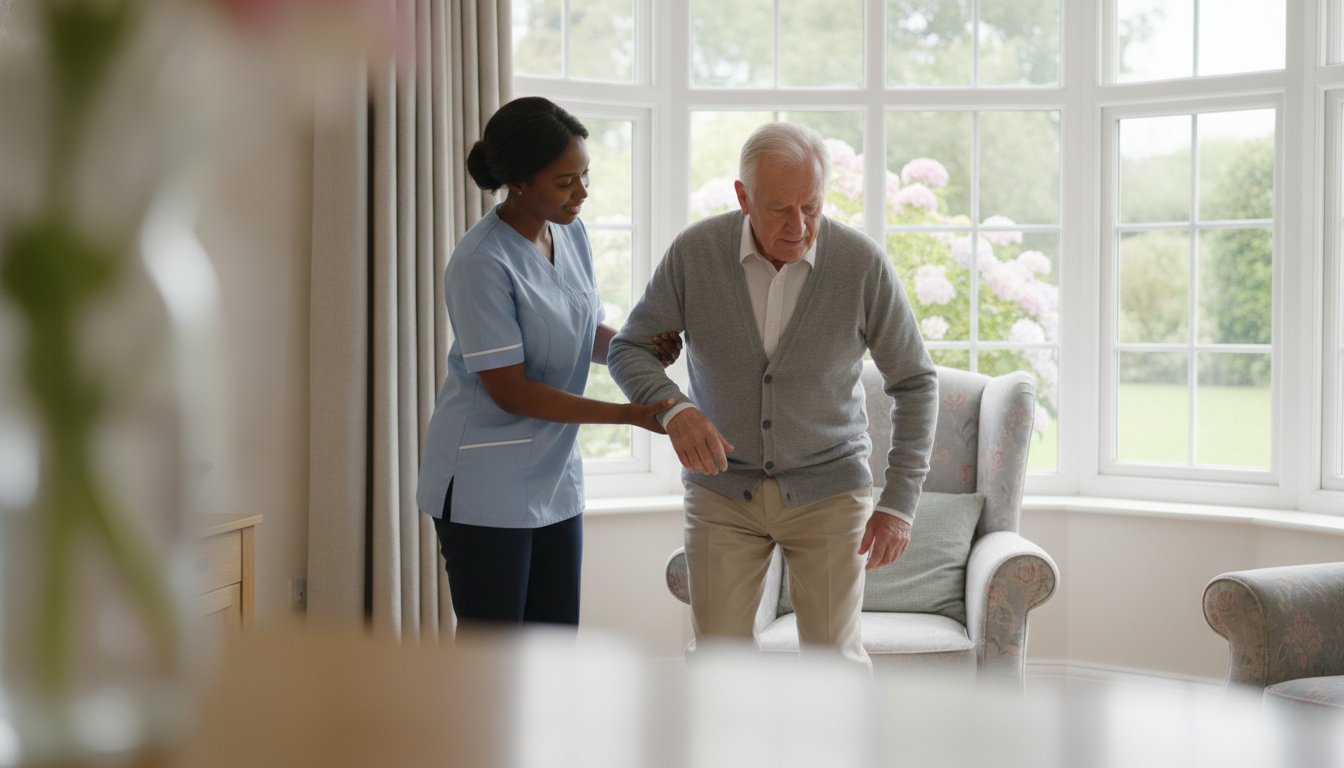
The most critical phase of recovery doesn’t happen in a sterile hospital ward; it unfolds in the quiet corners of your own living room. For many families, the transition from hospital to home after a stroke brings a heavy mix of relief and profound anxiety. You might be struggling with the physical strain of assisting with mobility, the exhaustion of balancing work, or the constant fear of another event occurring. It’s a period defined by uncertainty, fatigue, and love.
We understand that you want more than just a medical routine; you want a return to dignity, independence, and comfort. This guide provides a clear roadmap for navigating home recovery, from adapting your environment to organising professional support that feels like a natural extension of your family. You’ll learn how to manage hospital discharge timelines and implement strategies that improve mobility and speech, ensuring your loved one remains safe, supported, and respected throughout their journey.
Key Takeaways
- Recognise the critical signs of a stroke using the FAST acronym to ensure immediate, life-saving intervention.
- Navigate the hospital discharge process with confidence by understanding the role of the Multidisciplinary Team in assessing home readiness.
- Create a safe, supportive, and adapted home environment that minimises risks whilst promoting psychological recovery.
- Learn why consistent, repetitive rehabilitation and specialist neuro-physiotherapy are essential for regaining movement and independence.
- Compare professional support options, such as visiting care and live-in care, to find a personalised fit for your family’s needs.
Understanding Stroke: Recognising Signs and Immediate Actions
A stroke is often described as a “brain attack”. It occurs when the blood supply to part of the brain is suddenly restricted or cut off. This interruption deprives brain cells of vital oxygen, causing them to be damaged or die within minutes. To understand the clinical background, it’s helpful to ask What is a Stroke? and recognise it as a time-critical emergency. Immediate intervention is the single most important factor in saving lives and reducing the potential for long-term disability.
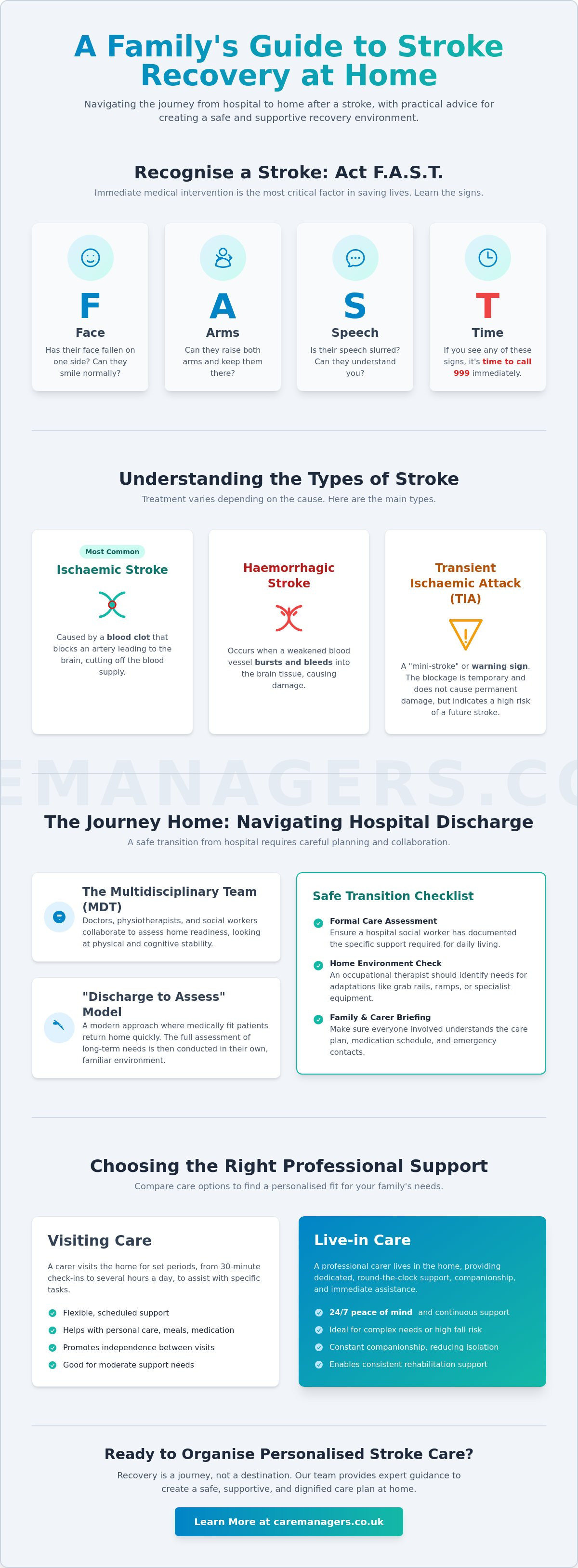
The FAST acronym remains the most effective tool for identifying symptoms. It’s a simple, reliable, and life-saving checklist that everyone should know. Face: Has their face fallen on one side? Can they smile? Arms: Can they raise both arms and keep them there? Speech: Is their speech slurred or garbled? Time: If you see any of these signs, it’s time to dial 999 immediately. Don’t wait for symptoms to improve or disappear on their own.
The first 24 to 48 hours following the event are vital for the recovery trajectory. During this window, medical teams focus on stabilising the patient, preventing further damage, and determining the underlying cause. This initial phase is often intense and overwhelming for families, yet it sets the stage for future rehabilitation. Decisions made during this time will eventually shape the hospital discharge care plan, ensuring the transition home is as smooth as possible.
The Different Types of Stroke
Not every episode is identical, and the treatment depends on the specific type. An ischaemic stroke is the most common form, occurring when a blood clot blocks an artery leading to the brain. Conversely, a haemorrhagic type happens when a weakened blood vessel bursts and bleeds into the surrounding tissue. You may also encounter a TIA, or Transient Ischaemic Attack. This is a “warning” event where the blood supply is briefly interrupted. It doesn’t cause permanent damage, but it’s a serious indicator that a more severe event could follow if not addressed.
Immediate Post-Stroke Complications
The aftermath of a brain attack can manifest in several ways, and being prepared helps you provide better support. Hemiparesis is common, involving weakness or paralysis on one side of the body. Beyond physical changes, families should prepare for cognitive and emotional shifts. A survivor might experience confusion, memory loss, or sudden changes in mood. Communication is often affected through aphasia, which impacts the ability to speak, or dysarthria, which affects the muscles used for clear speech. These challenges require a recovery environment that is safe, supportive, and patient.
How to Navigate the Hospital Discharge Process
The moment a patient is stabilised after a stroke, the hospital’s focus shifts towards the future. Discharge planning isn’t a final step; it’s a continuous process that starts almost immediately. This ensures that the transition from a clinical environment to a domestic one is safe, structured, and supportive. You are a key part of this journey. Your insights into your loved one’s home life are as vital as the medical data recorded on the ward.
The Multidisciplinary Team (MDT) leads this transition. This group of professionals, including doctors, physiotherapists, and social workers, collaborates to assess readiness for home. They look at physical stability, cognitive function, and the ability to perform daily tasks. Whilst their focus is clinical, your role is to provide the personal context they might miss. You understand the survivor’s routine, preferences, and home layout better than anyone. Effective advocacy during discharge meetings ensures that the care plan is realistic, personalised, and respectful.
In South Wales and England, the “Discharge to Assess” (D2A) model is now standard. This approach prioritises getting patients home as soon as they are medically fit. The actual assessment of long-term needs then takes place in their own environment. It’s a method designed to be faster, more accurate, and less stressful. However, it requires families to be ready for a quick turnaround. Understanding the basics of Recognising Signs and Immediate Actions remains important during this phase to ensure safety throughout the move.
Steps for a Safe Transition Home
Preparation is the best way to manage the anxiety of bringing a loved one home. Follow these clear, actionable steps:
- Confirm that a formal care assessment is finished. A hospital social worker must document exactly what support is required for daily living.
- Organise a home environment check. A physiotherapist or occupational therapist can identify where grab rails, ramps, or equipment are needed.
- Obtain a full medication schedule. Ensure you have at least a seven-day supply of all prescriptions before leaving the hospital.
- Secure professional hospital discharge care. This provides a vital safety net and bridge during the first few weeks of recovery.
Liaising with Local Authorities in Cardiff and Bristol
Navigating the financial side of recovery is often a complex task. In areas like Cardiff and Bristol, the local council plays a central role. Cardiff Council and Bristol City Council provide initial assessments for social care funding. It’s vital to distinguish between NHS Continuing Healthcare (CHC), which is fully funded by the NHS for those with primary health needs, and local authority funding, which is often means-tested. Wait times for council-funded support can vary significantly. If you require a faster, more tailored intervention, many families choose private home care services to maintain control. If you feel overwhelmed by these choices, you can speak with a specialist to explore your options.
Creating a Safe and Supportive Home Environment
Physical safety provides the essential foundation for psychological recovery. When a survivor feels secure in their surroundings, they can focus their energy on rehabilitation rather than the fear of falling. Establishing a “recovery hub” is a practical first step. This usually involves repurposing a ground-floor living space to minimise the need for stairs during the initial weeks. This area should be bright, accessible, and calm.
While adapting your current home is the immediate priority, some families find that a more significant move or property investment is necessary to ensure long-term accessibility; for expert guidance on managing your property assets, you can visit MaddisonV Properties.
Removing trip hazards is a priority. Clear away loose rugs, trailing cables, and unnecessary clutter. Improving lighting is equally vital, especially in hallways and entryways. Use high-wattage bulbs or motion-sensor lights to ensure every path is visible. This approach aligns with a comprehensive guide to stroke recovery, which emphasises that a well-adapted home reduces stress for both the survivor and the carer.
Essential Room-by-Room Modifications
Small changes in the bathroom can prevent significant accidents. Install sturdy grab rails near the toilet and shower. Non-slip mats and a height-adjustable shower seat provide stability and comfort. In the bedroom, consider a profiling bed or a pressure-relieving mattress to assist with positioning and skin health. Kitchen safety involves simple organisation. Keep frequently used items at waist height to prevent overreaching or bending, which can lead to loss of balance.
Assistive Technology for Stroke Survivors
Modern technology offers discrete ways to maintain safety during stroke recovery. Personal alarms and fall sensors provide peace of mind for families who cannot be present every second. For daily activities, adaptive cutlery and weighted plates encourage independent eating and improve confidence. If communication is a challenge, digital tablets or simple picture boards can bridge the gap for those experiencing aphasia. These tools are designed to empower the individual whilst ensuring their needs are met.
Creating a safe environment doesn’t mean turning your house into a hospital. Keep personal items, family photos, and favourite cushions in reach. The goal is to create a space that feels familiar, warm, and secure. A home should remain a place of comfort, even as it adapts to new physical requirements. If you find the physical strain of assisting with mobility too much, home care services can provide the professional support needed to keep the environment safe and functional.
How to Manage Long-Term Rehabilitation at Home
Rehabilitation is most effective when it is consistent, repetitive, and purposeful. The brain possesses a remarkable ability to reorganise itself after a stroke, a process known as neuroplasticity. This recovery doesn’t happen overnight. It requires a daily commitment to retraining the neural pathways that control movement, sensation, and thought. Small, frequent sessions often yield better results than occasional, intense ones.
Neuro-physiotherapy is a cornerstone of this long-term process. Unlike general physiotherapy, it focuses specifically on the central nervous system. A specialist therapist helps survivors regain motor control, improve balance, and reduce muscle stiffness. Similarly, Speech and Language Therapy (SALT) is essential for those facing communication hurdles. SALT professionals assist with both speech clarity and safe swallowing, ensuring the survivor can eat, drink, and interact with confidence.
The recovery journey is often an emotional rollercoaster. It’s common for survivors to experience post-stroke depression or sudden mood shifts as they adjust to their new reality. Acknowledging these feelings is the first step toward healing. Support should be holistic, addressing the mind as much as the body to preserve the individual’s quality of life and sense of self.
The Role of Occupational Therapy
Occupational therapists (OTs) bridge the gap between clinical exercises and real-world living. They teach survivors new ways to perform activities of daily living (ADLs), such as dressing, bathing, or grooming. OTs also introduce energy conservation techniques. These strategies help manage the profound post-stroke fatigue that many survivors face, allowing them to participate in activities they enjoy. Cognitive exercises are another vital part of their work, focusing on improving memory, focus, and problem-solving skills.
Integrating Rehab into Daily Care
Successful recovery involves moving from “passive” to “active” support. Instead of doing everything for the survivor, caregivers should encourage them to perform tasks themselves, even if it takes longer. This builds strength, coordination, and self-worth. Hydration and nutrition are equally important. A stroke-friendly diet, such as the Mediterranean diet rich in healthy fats and lean proteins, supports brain health and provides the physical energy needed for therapy.
Balancing these duties is physically and emotionally demanding. To maintain the quality of care, family members must also look after their own well-being. Organising respite care allows primary carers to take a necessary break, preventing burnout and exhaustion. If you need assistance in structuring a long-term recovery plan, you can contact our specialist team for professional guidance and support.
Professional Stroke Care: Selecting the Right Support
Stroke recovery is a deeply personal journey. No two survivors share the same challenges, goals, or preferences. A one-size-fits-all approach inevitably fails because it ignores the nuances of individual health and personal history. Effective support must be as unique as the person receiving it, prioritising their dignity whilst addressing their clinical needs. Our approach is built on three core pillars: reliability, personalisation, and respect.
This emphasis on tailored solutions is equally important when managing medical coverage; for example, The Modern Medicare Agency provides specialised expertise to help individuals navigate complex insurance options whilst securing the right plans for their needs.
Many families find that a stroke is complicated by other conditions, such as vascular dementia. In these cases, specialised dementia care becomes essential. It provides the specific cognitive support and patience required to manage memory loss alongside physical rehabilitation. Additionally, choosing an agency that respects cultural and faith-based home care needs can significantly improve psychological recovery. Feeling understood and respected at a fundamental level fosters a sense of security, belonging, and well-being.
Live-in Care vs. Visiting Care
Choosing between live-in care and visiting care depends on the survivor’s current level of independence. Live-in care offers 24/7 safety, professional oversight, and consistent companionship. It’s often the best choice for those at high risk of falls or those who require round-the-clock assistance. Conversely, hourly visiting care is suitable for individuals who are further along in their recovery and only need support with specific tasks. Professional carers play a vital role in managing complex medication regimes. This vigilance is crucial for preventing secondary strokes and ensuring the recovery stays on track.
Why Care Managers Ltd is the Trusted Choice
We believe that high-quality care is built on clinical excellence and deep-seated empathy. Our services are regulated by the CQC in England and CIW in Wales, ensuring we meet the highest standards of safety and reliability. We develop personalised care plans that revolve around the survivor’s favourite routines, hobbies, and social connections. Our dedicated teams in Cardiff and Bristol provide local, compassionate expertise that helps families navigate the complexities of long-term recovery with confidence. We act as a steady, knowledgeable partner, prioritising the needs and preferences of those we serve.
Enquire about bespoke stroke care today.
Moving Forward with Confidence and Support
Recovery is a marathon of small, significant wins. By preparing for hospital discharge, adapting your home, and embracing consistent rehabilitation, you create the best possible environment for progress. Every step taken toward independence is a testament to resilience and care. Navigating life after a stroke is a complex journey, but you don’t have to walk it alone.
Professional support provides the security, expertise, and reassurance your family needs during this transition. We are specialists in live-in and complex home care, offering a service that is both CQC and Care Inspectorate Wales regulated. Our local teams across Cardiff, Bristol, and Southampton are dedicated to providing reliable, personalised, and respectful assistance. We focus on preserving dignity whilst helping your loved one reach their recovery goals. Enquire about personalised stroke recovery care today to discuss your specific needs. Your journey toward a safe and supported future starts with a single conversation.
Frequently Asked Questions
Can a stroke patient recover fully at home?
Many survivors achieve significant recovery within their own homes. The brain possesses a remarkable ability to retrain itself through neuroplasticity, which is often most effective in a familiar, comfortable, and low-stress environment. Success depends on the severity of the event, the consistency of rehabilitation, and the quality of professional support. A structured home care plan provides the safety, stability, and encouragement needed for long-term progress.
How long does it take to recover from a stroke?
Recovery timelines are unique to every individual and cannot be strictly predicted. The most rapid improvements typically occur within the first three to six months following a stroke. However, many survivors continue to regain function and independence for years. Progress is often a steady, methodical journey. Consistent therapy and a supportive home environment are essential for maintaining this positive trajectory over the long term.
What is the best type of care for someone who has had a stroke?
The ideal care is always personalised, reliable, and respectful. Live-in care is often considered the gold standard for those with complex needs, providing 24/7 safety and companionship. For those further along in their recovery, hourly visiting care offers targeted support with specific tasks. The best choice depends on the survivor’s mobility, cognitive health, and personal preferences, ensuring they feel safe and valued.
How much does home care for a stroke survivor cost in the UK?
The cost of home care depends on the level of support required and your specific location. Fees are typically calculated based on whether you require hourly visits, overnight stays, or full-time live-in care. Every situation is different, and needs can change as recovery progresses. You should contact a regulated care provider for a professional assessment to receive a clear, transparent, and detailed breakdown of costs for your family.
What should I do if I think my loved one is having a second stroke?
Dial 999 immediately if you suspect another event is occurring. Use the FAST test to check for facial drooping, arm weakness, or slurred speech. Don’t wait to see if the symptoms improve or disappear on their own. Rapid medical intervention is the most critical factor in preventing further brain damage. Emergency teams are trained to provide the life-saving treatment, stabilising care, and immediate support required.
Can I get financial help for stroke care in Cardiff or Bristol?
Financial assistance is often available through local authorities or the NHS. You can request a care needs assessment from Cardiff Council or Bristol City Council to determine if you qualify for means-tested social care funding. In some cases, individuals with primary health needs may be eligible for NHS Continuing Healthcare (CHC). This non-means-tested funding covers the full cost of care, providing essential financial security and peace of mind.
What is the difference between a stroke and a TIA?
A stroke causes lasting damage to brain cells due to a sustained lack of blood supply. A TIA, or Transient Ischaemic Attack, is a temporary blockage that usually resolves within minutes or hours. Whilst TIAs don’t cause permanent disability, they are serious warning signs. They indicate a high risk of a future event and require urgent medical investigation to prevent a more severe occurrence.
How often should a stroke survivor do physiotherapy exercises?
Survivors should ideally engage in therapeutic movements every day to maximise neuroplasticity. Short, frequent sessions of 10 to 15 minutes are often more productive and less exhausting than one long session. Consistency is the foundation of regaining motor control and balance. Your neuro-physiotherapist will provide a tailored, structured, and manageable routine that integrates into your daily life, ensuring exercises are performed safely and effectively.

Article by
Emmanuel Alli
Emmanuel Alli is a Data Analytics Specialist, entrepreneur, and healthcare business leader with extensive experience in data analytics, business intelligence, digital transformation, and strategic management. He has worked across both the public and private sectors, delivering data-driven insights and performance improvements for large organisations in the United Kingdom.Beyond his analytics career, Emmanuel is the Co-Founder and Director of Care Managers Ltd, a UK-based provider of domiciliary care, supported living, live-in care, and healthcare staffing services. Under his leadership, the organisation has expanded its operations across England and Wales, supporting local authorities, NHS organisations, and private clients with person-centred care services.Emmanuel is passionate about combining technology, innovation, and compassionate care to improve outcomes for vulnerable individuals and communities. His interests include explainable artificial intelligence, business modelling, strategic growth, healthcare innovation, and social entrepreneurship.He holds BSc, MBA, and MMP degrees, completed his Master's degree in Computer Science and Big Data Analytics, and remains actively involved in community development, mentoring, Christian leadership, and charitable initiatives. Through his professional and community work, Emmanuel is committed to creating sustainable organisations, empowering people, and delivering meaningful social impact.
Disclaimer
The information provided on this website is for general informational and educational purposes only. Whilst every effort is made to ensure the accuracy and reliability of the information published, no representations or warranties of any kind, express or implied, are made regarding the completeness, accuracy, reliability, suitability, or availability of any information, products, services, or related graphics contained on this website.Any reliance you place on such information is strictly at your own risk. Under no circumstances shall we be liable for any loss or damage, including without limitation indirect or consequential loss or damage, arising from the use of this website or reliance on any information contained herein.The content on this website does not constitute professional, legal, financial, medical, or other specialist advice. Users should seek appropriate professional advice before making any decisions based on the information provided.Links to external websites are provided for convenience and informational purposes only. We have no control over the nature, content, and availability of those sites and do not endorse any views expressed within them.We reserve the right to modify, update, or remove content on this website at any time without prior notice.By using this website, you acknowledge and agree to this disclaimer and our applicable terms and conditions.