TL;DR:
- Homecoming care provides personalized support in a person’s own home, including personal hygiene, household tasks, and post-discharge recovery. It involves tailored services like personal care, household support, and emotional reassurance to help recovery and maintain dignity. Planning and selecting qualified providers before hospital discharge ensures a smooth transition and reduces readmission risks.
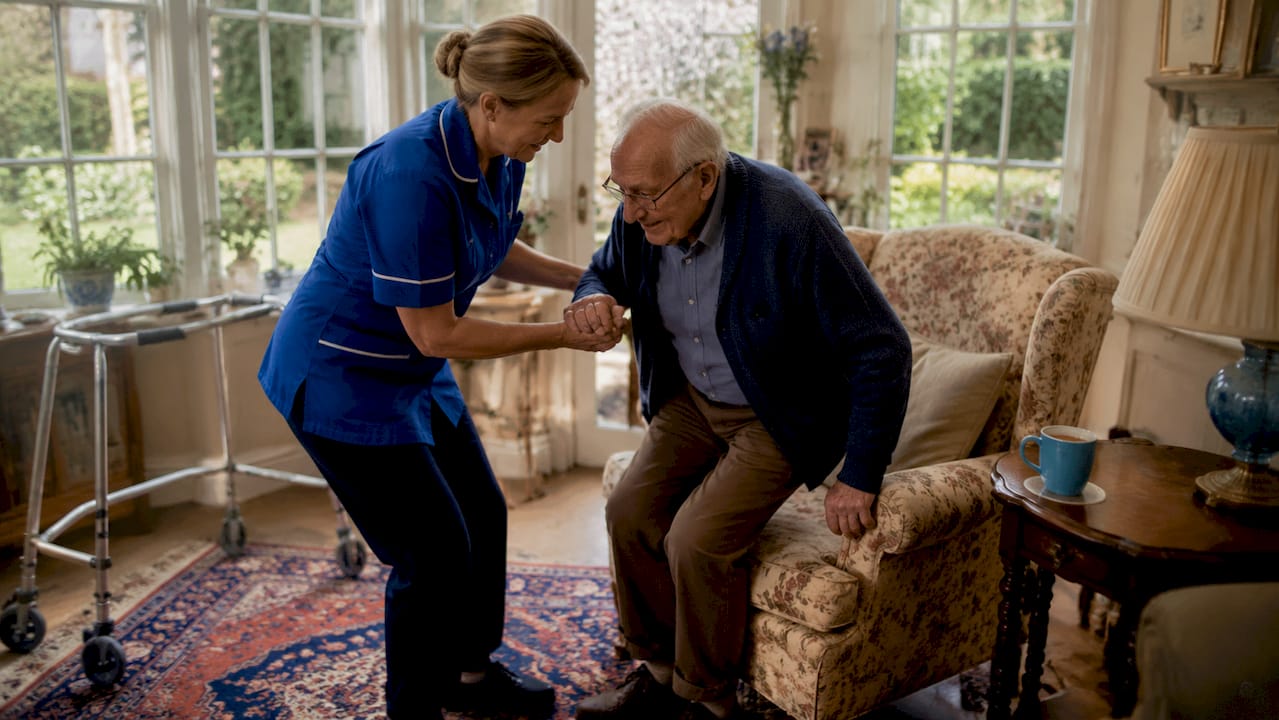
A homecoming care service is personalised supportive care delivered in a person’s own home, covering everything from personal hygiene and companionship to light household tasks. The industry term for this is home care or hospital-to-home transition care, and understanding the distinction matters when you are planning support for a loved one. Care ranges from a few hours a week right through to 24-hour live-in support, making it one of the most flexible options available to families. By 2030, one in six people globally will be aged over 60, which means demand for this kind of personalised, home-based support is growing fast. Knowing what a homecoming care service includes puts you in a far stronger position to make the right choice for your family.
What does homecoming care include?
Home care services cover a broader range than most families expect when they first start looking. The core offering divides into two clear categories: personal care and practical household support.
Personal care covers the tasks that keep someone safe, clean, and comfortable each day:
- Bathing, washing, and personal hygiene
- Dressing and grooming
- Toileting and continence support
- Feeding assistance and nutrition monitoring
- Medication reminders and prompt administration
Practical household support fills the gaps that personal care does not cover:
- Meal preparation and light cooking
- Light housekeeping and laundry
- Shopping and errand running
- Transportation to appointments
- Companionship and social engagement
Beyond these two categories, care intensity varies considerably. An older person living independently may need only a few hours of support each week. Someone recovering from a stroke or major surgery may need round-the-clock attention through a live-in care arrangement. The key point is that homecoming care is not a fixed package. It is shaped around the individual’s needs, preferences, and daily routines.
Pro Tip: Ask any prospective care provider to walk you through a typical day of care for someone with your loved one’s specific needs. Vague answers suggest a one-size-fits-all approach rather than genuine personalisation.

How does homecoming care support recovery after hospital discharge?
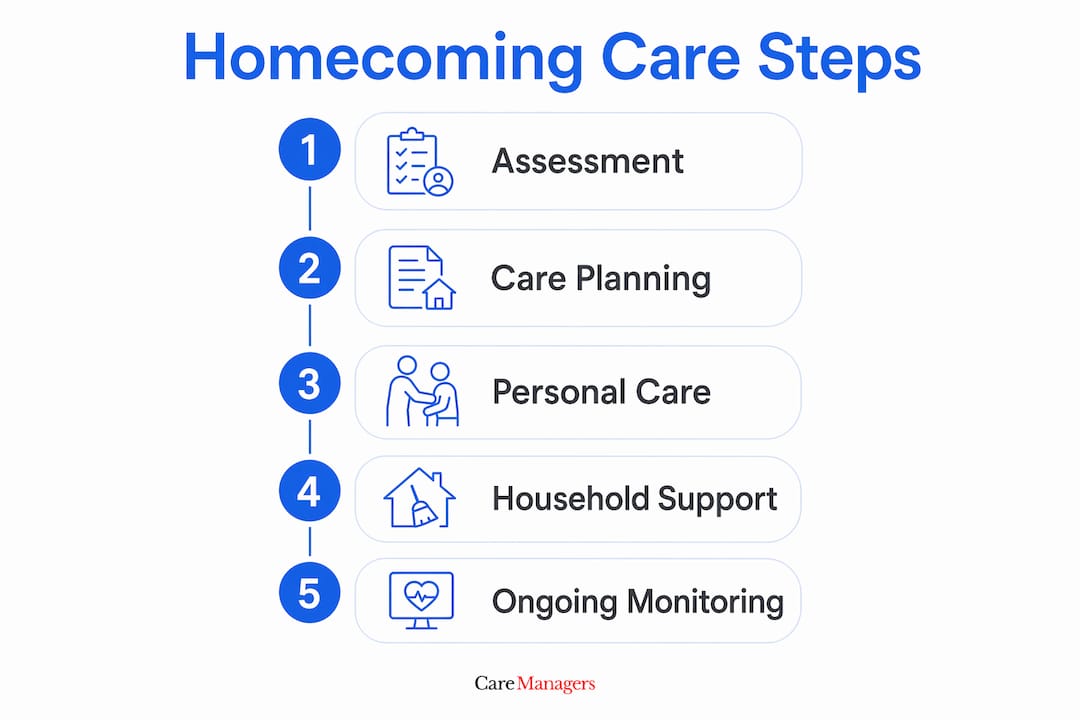
Hospital-to-home transition care is a specialised form of homecoming care focused on the period immediately after a patient leaves hospital. The first 48–72 hours after discharge are the most critical window for preventing readmission. Arranging professional home care before your loved one leaves hospital is not cautious planning. It is clinically sound practice.
Recovery support during this phase typically follows a structured sequence:
- Discharge paperwork and instructions. A professional carer helps organise and interpret discharge documents, so nothing is missed or misunderstood.
- Medication management. Carers track prescriptions, prompt doses at the correct times, and flag any side effects to the relevant health professional.
- Mobility and fall prevention. Practical non-medical support such as removing fall hazards, rearranging furniture, and assisting with safe movement reduces the risk of injury during the vulnerable early recovery phase.
- Nutrition and hydration. Carers prepare appropriate meals and monitor food and fluid intake, which directly affects healing speed.
- Emotional reassurance. Regular companionship reduces isolation and anxiety, both of which slow physical recovery.
- Communication with health professionals. Carers act as a reliable link between the family, the GP, and any specialist teams involved in ongoing treatment.
Consistent professional support during the post-discharge phase is directly linked to reduced readmission risk and smoother recovery. That outcome benefits your loved one, and it reduces pressure on NHS services at the same time.
Pro Tip: Contact a home care provider before the discharge date, not after. Most providers, including Caremanagers, can arrange an initial assessment within 24 hours of a referral.
What are the emotional and practical benefits of homecoming care?
The benefits of homecoming care extend well beyond physical recovery. The psychological impact of remaining at home is significant, particularly for older adults and those living with dementia.
Familiar surroundings reduce confusion and depression, which is especially important for dementia patients who can become severely disoriented in institutional settings. Personal belongings, a known layout, and established routines all contribute to cognitive stability. This is not a minor comfort. For someone with dementia, it can be the difference between a manageable day and a distressing one. Caremanagers’ dementia support at home is built around exactly this principle.
For families, the benefits are equally real:
- Caregiver burnout prevention. Families who attempt full nursing roles without help often reach exhaustion within weeks. Professional support preserves your emotional capacity.
- Restored relationships. When you are no longer the sole carer, you can return to being a son, daughter, or partner rather than a nurse.
- Dignity and autonomy for the care recipient. Receiving care in your own home, on your own terms, preserves a sense of control that institutional care rarely offers.
- Reduced family conflict. Shared responsibility through a professional carer removes the pressure that often falls unevenly on one family member.
“Home care’s major value is emotional and logistical support that prevents caregiver burnout and restores family companionship roles.”
Non-medical support is often just as impactful as clinical care for families navigating a loved one’s recovery or long-term condition. Recognising that fact changes how you approach care planning entirely.
How do you choose and plan effective homecoming care?
Choosing home care services for an elderly or recovering loved one requires a clear-headed assessment before you contact any provider. Start with needs, not services.
Assessing individual needs
Map three areas before anything else: medical needs (conditions, medications, wound care), physical needs (mobility, continence, nutrition), and emotional needs (social contact, routine, mental health). This assessment shapes every decision that follows.
Selecting the right provider
Not all home care providers offer the same depth of service. When evaluating options, look at these factors:
| Factor | What to look for |
|---|---|
| Staff qualifications | Trained carers with relevant certificates and DBS checks |
| Service range | Personal care, live-in support, and post-discharge packages |
| Flexibility | Ability to scale hours up or down as needs change |
| Communication | Clear channels between carer, family, and GP |
| Care planning | Written, personalised care plans reviewed regularly |
Timing and safety
Arrange care before discharge, not after. The 48–72 hour post-discharge window is when risk is highest, and reactive arrangements leave your loved one exposed. A home hazard assessment, covering loose rugs, poor lighting, and bathroom safety, should happen on the first day of care.
Cost and funding
Home care costs vary by hours, care intensity, and location. Funding options in England and Wales include local authority care assessments, NHS Continuing Healthcare, and self-funding. A reputable provider will help you understand which route applies to your situation.
Pro Tip: Request a written care plan before the first visit. A provider who cannot produce one within 48 hours of assessment is unlikely to deliver consistent, personalised care.
Key takeaways
Homecoming care is personalised, home-based support that reduces hospital readmission, prevents caregiver burnout, and preserves dignity for elderly and recovering individuals.
| Point | Details |
|---|---|
| Clear definition | Homecoming care covers personal care, household support, and companionship in the client’s own home. |
| Critical timing | Arrange professional care before hospital discharge to cover the high-risk 48–72 hour window. |
| Emotional impact | Familiar surroundings reduce confusion and depression, especially for those living with dementia. |
| Family benefit | Professional support prevents caregiver burnout and restores natural family relationships. |
| Provider selection | Assess qualifications, flexibility, and written care planning before committing to any provider. |
What I have learned from watching families navigate homecoming care
Families almost always underestimate how much the first week after discharge matters. I have seen well-organised families assume that a loved one will “manage fine” for a few days before care starts. That gap is where falls happen, medications get missed, and readmissions begin.
The paperwork side of discharge is also consistently overlooked. Discharge letters from hospital are often dense and written for clinicians, not families. A good carer reads that document, flags what needs to happen, and makes sure it actually does. That single task prevents more crises than most people realise.
What strikes me most, though, is how homecoming care changes the family dynamic. When a daughter stops being her mother’s nurse and starts being her mother’s daughter again, the relationship recovers alongside the patient. That is not a soft benefit. It is the whole point. Families who view professional home care as a partnership rather than an admission of failure get far better outcomes, for everyone involved.
The families who plan early, ask direct questions about care plans, and stay involved without taking on clinical roles are the ones I see thriving six months later. Homecoming care works best when it is treated as a team effort, not a handover.
— Emm
Caremanagers: personalised home care when it matters most
Caremanagers specialises in home care services across South Wales and England, with particular expertise in post-hospital discharge support, dementia care, and live-in arrangements. Every care plan is built around the individual, not a standard package.
Whether your loved one needs a few hours of support each week or full-time live-in care, Caremanagers can help you find the right level. The team also supports families through the hospital discharge planning process, making sure care is in place before your loved one comes home. Contact Caremanagers to arrange an initial assessment and get a care plan tailored to your family’s specific situation.
FAQ
What is the homecoming care definition?
Homecoming care, formally known as home care or hospital-to-home transition care, is personalised support delivered in a person’s own home. It covers personal hygiene, companionship, household tasks, and post-discharge recovery support.
Who needs homecoming care services?
Homecoming care suits elderly individuals who need daily living assistance, people recovering from surgery or illness, and those living with conditions such as dementia. It is also used by families who need respite from caring responsibilities.
How does homecoming care work in practice?
A care provider assesses the individual’s needs, produces a written care plan, and assigns a trained carer to deliver agreed support. Hours can range from a single daily visit to 24-hour live-in care, depending on need.
What is the difference between homecoming care and home nursing?
Home nursing involves clinical tasks such as wound care, catheter management, and medication administration by a qualified nurse. Homecoming care focuses on personal care, daily living support, and companionship, though the two services often work alongside each other.
When should I arrange homecoming care after a hospital stay?
Arrange care before the discharge date, not after. The 48–72 hours immediately after discharge carry the highest risk of readmission, and having a carer in place from day one significantly reduces that risk.