
Table of Contents
- Understanding Independence and Dementia
- The Benefits of Routine for Dementia
- Home Adaptations for Dementia
- Dementia Assistive Technology and Devices
- Supporting Decision-Making and Autonomy
- Legal Power of Attorney for Health and Welfare
- Social Engagement and Meaningful Activity
- Balancing Independence With Safety
Last Updated: August 15, 2026
Understanding Independence and Dementia
How to maintain independence with dementia is a question that matters deeply to individuals receiving a diagnosis and their families. Independence doesn’t mean doing everything alone, it means having choice, dignity, and the ability to participate in decisions about your own life and daily routines.
Dementia affects memory, thinking, and decision-making in different ways depending on the type and stage. Early-stage dementia might involve occasional forgetfulness or difficulty with complex tasks. As it progresses, a person may need more support with daily living activities. The goal isn’t to prevent decline, that’s unrealistic, but to slow it thoughtfully and preserve autonomy wherever possible.
Person-centred care recognises that the individual with dementia remains a person with preferences, values, and the right to make choices about their own life. This principle underpins everything that follows. When you maintain independence with dementia, you’re not fighting the condition; you’re working with it, adapting your approach as needs change.
Independence with dementia is about preserving choice and dignity, not preventing all decline. The focus shifts from “doing everything yourself” to “having a say in what happens to you.”
The Benefits of Routine for Dementia
A consistent daily routine reduces confusion and anxiety for someone with dementia. When the same activities happen at predictable times, the brain requires less effort to process what’s happening next. This frees up mental energy for engagement and decision-making in the moment.
Routines also provide structure that can feel reassuring. If breakfast happens at 8 a.m., a walk at 10 a.m., and lunch at 12:30 p.m., the person with dementia knows what to expect. This predictability can reduce agitation and wandering behaviour, and it often improves sleep and appetite.
The benefits of routine for dementia extend beyond the individual. Carers and family members benefit too. When activities follow a pattern, planning becomes easier and transitions between activities go more smoothly. There’s less need for repeated explanations or negotiations about what comes next.
However, routines shouldn’t be rigid. If someone is having a difficult morning, flexibility matters more than sticking to the schedule. The routine exists to serve the person, not the other way around. A good routine balances structure with responsiveness to how the person is feeling on any given day.
Involve the person with dementia in creating their routine where possible. If they’ve always been a morning person, schedule important activities early. If they prefer quiet evenings, don’t overload the schedule after dinner.
Home Adaptations for Dementia
Your physical environment has enormous influence over how safely and confidently someone with dementia can move through their home. Simple environmental modifications can prevent accidents, reduce confusion, and support independence far more effectively than constant supervision.
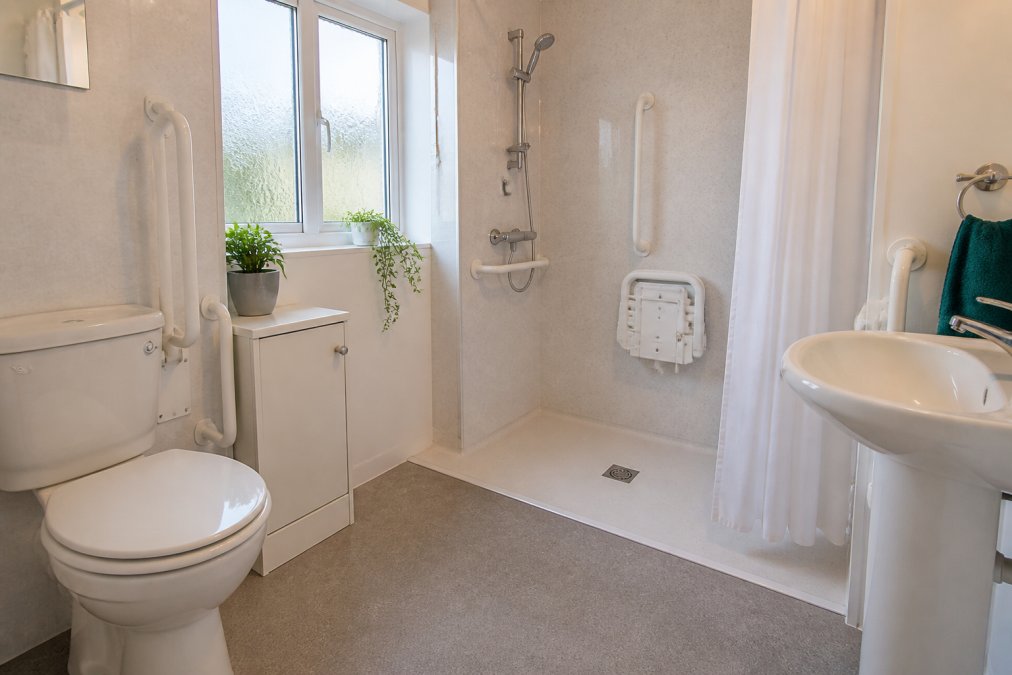
Home adaptations for dementia focus on removing barriers and adding clarity. Install grab rails in bathrooms and along hallways. Ensure lighting is bright and even, dimly lit spaces increase disorientation and fall risk. Remove clutter and secure loose rugs. Label cupboards and drawers with pictures or words so the person can find what they need without asking.
Bathrooms are high-risk areas. A raised toilet seat, shower chair, and non-slip mat reduce the risk of falls. Keep medications and cleaning products locked away. In the kitchen, remove sharp objects from easy reach and label frequently used items.
Bedrooms should be simple and familiar. Keep the bed in the same place. A nightlight helps if the person wakes disoriented. Some people benefit from a bell or intercom to call for help without getting up.
Consider whether the person can still use stairs safely. If mobility is declining, moving a bedroom or bathroom to the ground floor may become necessary. A stair lift can extend independence, but only if the person can operate it reliably.
The goal of home adaptations for dementia isn’t to make the space "dementia-proof", that’s impossible. It’s to remove the obstacles that create unnecessary confusion or danger, so the person can focus on what matters to them rather than navigating a hostile environment.
Falls are a leading cause of injury for people with dementia. Even a minor fall can trigger fear that leads to reduced activity and faster decline. Removing trip hazards and ensuring adequate lighting are not optional.
Dementia Assistive Technology and Devices
Technology can support independence when it’s chosen carefully and matches the person’s abilities. Dementia assistive technology ranges from simple tools to more sophisticated systems, and the right choice depends on what the person actually needs and can reliably use.
Simple devices often work best. A large-button telephone makes calling easier. A pill organiser with alarms reminds the person when to take medication. A calendar that shows the day, date, and weather provides orientation cues throughout the day. These tools require no learning curve and they work without batteries or internet.
More advanced options include GPS watches that let family members know where the person is if they wander. These can be invaluable for safety, though some people find them intrusive. Motion sensors that detect falls and alert carers are helpful in bedrooms or bathrooms. Video doorbells let the person see who’s calling before opening the door.
Dementia assistive technology that relies on voice commands, touchscreens, or complex menus often fails because the person forgets how to use it or finds it frustrating. Before investing in a device, ask: Can the person learn this? Will they remember how? Is it simpler than the alternative?
A care manager or occupational therapist can assess what would genuinely help. They know what works in practice, not just in theory. Some people benefit enormously from a simple reminder system; others need nothing beyond good lighting and a consistent routine.
Simple devices like pill organisers, large-button phones, and calendar clocks work best for most people. Reserve more complex technology for specific problems like fall detection or wandering risk.
Supporting Decision-Making and Autonomy
One of the most difficult aspects of dementia is the gradual loss of decision-making capacity. How to maintain independence with dementia includes preserving the person’s ability to make choices for as long as possible, even as that capacity changes.
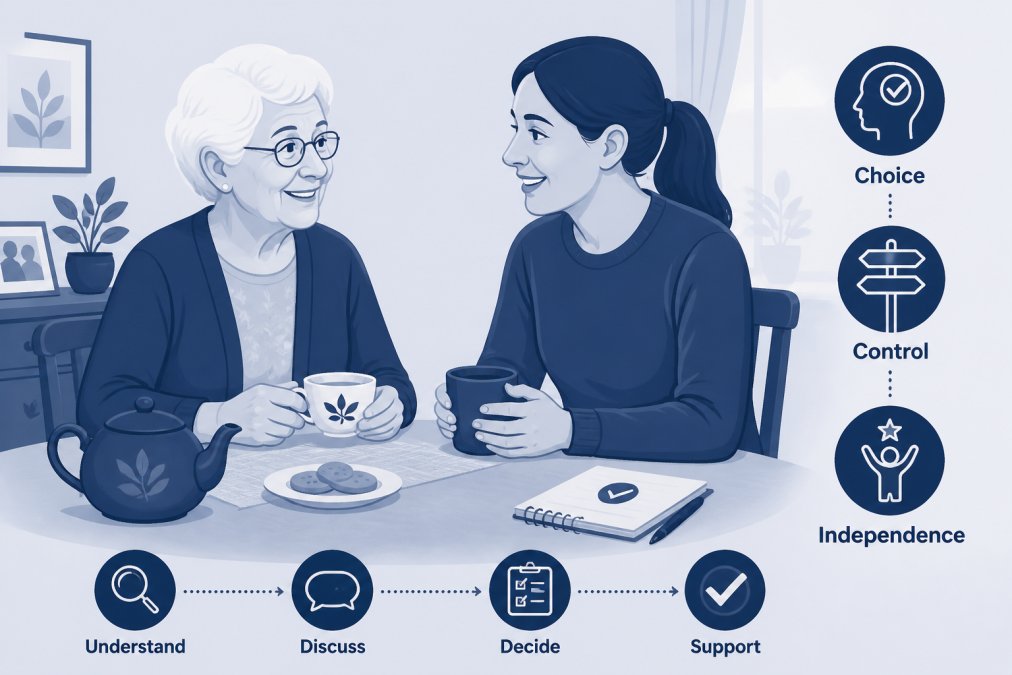
Early on, decisions might be complex: financial planning, medical choices, where to live if care needs increase. As dementia progresses, decisions become simpler: what to wear, what to eat, whether to go for a walk. Both matter. Preserving autonomy at any level supports dignity and well-being.
Offer choices within a narrower range rather than open-ended questions. Instead of "What would you like to do today?", try "Would you like to go for a walk or sit in the garden?" This approach respects the person’s preference without overwhelming them with too many options.
Involve the person in decisions about their own care. If a carer is coming to help with bathing, explain this beforehand. Ask whether they prefer morning or evening. Let them choose whether they want male or female support if that matters to them.
Listen for what the person is actually saying, not just the words. If someone says "I want to go home" when they’re already at home, they might be expressing anxiety or longing for a different time in their life. Arguing about facts rarely helps. Acknowledging the feeling, "You’re feeling worried", often does.
Call us for Free Assessment Today →
Some decisions become impossible as dementia advances. This is where advance care planning and legal power of attorney become essential.
Legal Power of Attorney for Health and Welfare
Planning for loss of decision-making capacity is uncomfortable but necessary. A legal power of attorney for health and welfare allows you to appoint someone to make healthcare decisions on your behalf if you lose the ability to do so.
In England and Wales, this is called a Lasting Power of Attorney (LPA) for health and welfare. You can only make this decision while you still have mental capacity to understand what you’re doing. Once capacity is lost, it’s too late.
An LPA for health and welfare covers decisions about medical treatment, where you live, daily care, and whether you participate in social activities. It doesn’t cover financial decisions, that requires a separate LPA for property and financial affairs.
The person you appoint (called an attorney) has a legal duty to act in your best interests and to consider your known wishes and values. They can’t make decisions that go against what you’ve previously stated, even if they think it would be better for you.
Setting up an LPA requires meeting specific legal requirements. You’ll need to register it with the Office of the Public Guardian. The process takes time, so it’s best done early, ideally as soon as someone receives a dementia diagnosis or is concerned about future capacity.
Without an LPA, family members have no legal authority to make decisions. Doctors must assume the person still has capacity unless proven otherwise. This can lead to delays, conflict, and decisions that don’t reflect what the person would have wanted.
Waiting until capacity is clearly lost means you’ve missed the window to set up legal protections. If dementia is suspected, consider an LPA assessment sooner rather than later.
Social Engagement and Meaningful Activity
Isolation accelerates cognitive decline. People with dementia who remain socially engaged and mentally stimulated tend to maintain function longer than those who withdraw.
Meaningful activity doesn’t mean structured programmes or therapies, though those can help. It means doing things the person has always enjoyed or finds satisfying. If someone loved gardening, tending a few potted plants provides purpose. If they enjoyed reading, audio books or large-print magazines keep that engagement alive.
Memory-based activities like looking at old photographs, listening to music from their youth, or reminiscing about important events can be deeply comforting and stimulating. These conversations affirm that the person’s life and experiences matter.
Social contact, whether with family, friends, or a care worker, provides essential mental stimulation and emotional connection. Visits don’t need to be long or complicated. Sitting together, having tea, and talking about simple things is enough. For some people, regular contact with a care worker or volunteer becomes the primary social connection, which is why consistency matters.
Community participation, attending a local group, going to church, or visiting a day centre, preserves the person’s sense of belonging. As dementia progresses and independence declines, these connections become even more important for maintaining identity and purpose.
Balancing Independence With Safety
The tension between independence and safety is real and often uncomfortable. A person with dementia might want to continue driving, cooking, or managing finances, activities that now carry genuine risk. How do you honour autonomy while protecting someone from harm?
There’s no perfect answer, but the principle is clear: safety measures should be the minimum necessary to prevent serious harm, not a blanket restriction on all risk. Some risk is acceptable. Living involves risk.
If someone wants to continue cooking but is at risk of leaving the stove on, perhaps they can cook simple meals under supervision or use an electric kettle instead of the stove. If they want to manage money but can’t reliably do so, perhaps they handle small amounts of cash for daily needs while someone else manages bills.
Decisions about when to restrict independence, stopping driving, moving to sheltered housing, accepting live-in care, are often made in crisis. A fall, a fire, or a serious mistake forces the issue. Making these decisions thoughtfully in advance, while the person still has capacity to participate, leads to better outcomes.
This is where professional support makes a real difference. Services like supported living arrangements are designed specifically to balance these needs, providing care and safety while maintaining the person’s autonomy and choice.
The goal isn’t zero risk. It’s reducing serious harm while allowing the person to live as fully as possible within their changing abilities.
Maintaining independence with dementia requires a shift in how we think about care. Rather than focusing on what someone can no longer do, the emphasis moves to what remains possible and how to support that. A consistent routine, a safe home environment, assistive technology that genuinely helps, respect for decision-making, meaningful activity, and professional support all work together.
If you’re supporting someone with dementia or concerned about your own future, starting these conversations early makes everything easier. Care Managers offers tailored care plans built around individual routines and preferences, with professional staff trained in person-centred approaches to dementia. Whether you need Home Care support, Live In Care, or Respite Care, the focus is always on preserving dignity, choice, and independence. Book a call to discuss what support would work best for your situation.
Frequently Asked Questions
How can I encourage independence in someone with dementia?
Encourage independence by offering choices within familiar routines, allowing extra time for decisions, and breaking tasks into smaller steps. Praise effort and achievement, involve them in meaningful activities they enjoy, and let them do as much as possible for themselves even if it takes longer. Provide assistive technology like memory aids or simplified reminders. Most importantly, treat them as a person with preferences and dignity, not just as someone needing care. Consistent support from the same carer helps build confidence.
What role does routine play in maintaining independence for dementia patients?
Routine reduces anxiety and disorientation by creating predictability. When daily activities happen at the same time and in the same way, a person with dementia feels more secure and can often manage tasks independently. Familiar routines also help preserve functional ability and reduce the need for constant reminders. Consistency in mealtimes, sleep schedules, activities, and even the carer's presence strengthens memory pathways and builds confidence. Disrupting routine can trigger confusion and loss of independence, so maintaining structure is essential for person-centred care.
What home adaptations help maintain independence with dementia?
Key adaptations include good lighting throughout the home, clear signage on doors and cupboards, grab rails in bathrooms, removing clutter and trip hazards, and keeping frequently used items at eye level. Install locks on dangerous items like medication or cleaning supplies. Use contrasting colours for steps and door frames. Simplify the environment by removing unnecessary furniture. Consider a walk-in shower instead of a bath, and ensure pathways are clear. These modifications reduce disorientation and allow someone with dementia to navigate safely without constant supervision, preserving their functional ability and dignity.
How do I balance safety and independence for a loved one with dementia?
Balance involves assessing real risks versus over-protecting. Allow them to do activities independently if the risk is low, but use assistive technology and environmental modifications to reduce hazards. Supervise cooking or provide pre-prepared meals; allow them to tidy their room but remove sharp objects first. Use monitoring devices like door sensors or GPS watches for peace of mind without constant surveillance. Regular communication with a care professional helps identify when independence needs adjustment. The goal is supporting autonomy while ensuring safety, both matter for well-being and dignity.
This article was written using GrandRanker